How Lemon Vibrators Help With Numbing and Desensitization Issues
Here's the thing nobody talks about: your clitoris can go numb.
Not permanently. Not from normal use. But from repetitive, high-intensity stimulation over months or years, the nerve endings can literally stop firing the same way they used to. You're still touching the same spot. Your brain just isn't receiving the signal as vividly. That's desensitization, and it's wildly more common than you'd think.
If orgasms used to feel intense and now they feel like watching a movie through frosted glass, or if you're using the same toy and it barely registers anymore, you're experiencing what I call "pleasure numbness." The good news: it's reversible. The better news: lemon clitoral vibrators like the Lem are specifically designed to wake that sensitivity back up.
What causes desensitization in the first place
Desensitization happens when your nervous system gets overstimulated in a very particular way. Imagine your sensory nerves like a doorbell: if someone presses it constantly at the same intensity, your brain stops responding. It's not damage. It's adaptation. Your nervous system is literally trying to protect you from sensory overload by turning down the volume.
The most common culprits are repetitive vibration at high speeds, excessive pressure, or the same exact pattern used the same exact way every single time. I've worked with countless people who used their favorite vibrator daily for years, building tolerance until they needed it to be increasingly intense just to feel anything.
This also happens with partners. Some people find that after a long relationship with a specific type of touch, that touch stops working as well. The body adapts. The novelty is gone. The stimulus isn't novel anymore.
Birth control can contribute too. Hormonal changes affect nerve sensitivity, so sometimes desensitization is actually a side effect of how your body is processing hormones, not the vibration itself. If you've been experiencing changes since starting hormonal birth control, that's worth investigating separately.
Why suction vibrators work differently
This is where lemon vibrators get interesting. Instead of relying on simple back-and-forth or rapid vibration, suction technology stimulates the clitoris through a completely different mechanism. Rather than friction or pressure, it creates a gentle vacuum pulse that engages deeper nerve pathways you might not have been activating before.
When you've built up tolerance to traditional vibration, your nervous system has learned to filter that signal out. Suction is novel. It's a different sensation. Your brain can't tune it out the same way because it's not the stimulus your body has adapted to.
Think of it like this: if you've listened to the same song on repeat for a year, you stop hearing it. But if someone plays you a completely different song with the same emotional intent, you suddenly pay attention. Suction is a different song. Your sensitivity wakes up.
The resensitization process with lemon vibrators
Getting your pleasure back isn't about finding a more intense toy. It's about teaching your nervous system to perceive sensation again. Here's how I recommend approaching it.
Week 1-2: Lower intensity, new patterns. Start the Lem on setting 1 or 2. Your instinct will be to jump to the settings you used to use, but resist. Lower intensity forces you to pay attention to subtler sensations. You might feel nothing for the first few sessions. That's normal. Your nerves are still dampened. Don't panic.
Week 3-4: Vary your approach. If you always stimulated in one spot, move around. Try different angles. Try touching the side of the clitoris instead of the tip. If you always used pressure, try letting the toy barely contact your skin. Novelty matters. Different sensation patterns activate different nerve clusters.
Week 5-6: Introduce breaks. This is crucial and counterintuitive: stop before orgasm sometimes. Let your nervous system reset. Stimulate for 5 minutes, take a 2-minute break, then continue. This rhythm helps rebuild the natural arousal cycle your body might have forgotten.
The timeline varies wildly. Some people notice sensitivity returning in a week. Others take 2-3 months. Patience is the whole game here.
Combining lemon clitoral vibrators with mental reset
Desensitization is not just physical. If you've been frustrated with your toy for months, you've probably built up negative associations. Your brain is now thinking "this won't work" before you even turn it on. That expectation becomes reality because anxiety dampens arousal.
When you're trying to restore sensitivity, you also have to reset your mindset. This means letting go of the expectation that it should feel like it used to. It won't, immediately. This is about rediscovering what pleasure can be, not recreating the past.
I recommend starting in a low-pressure environment. Not during partnered sex if you're feeling self-conscious. Not when you're stressed about it working. Just you, privacy, and curiosity. No deadline. No goal other than noticing what you feel.

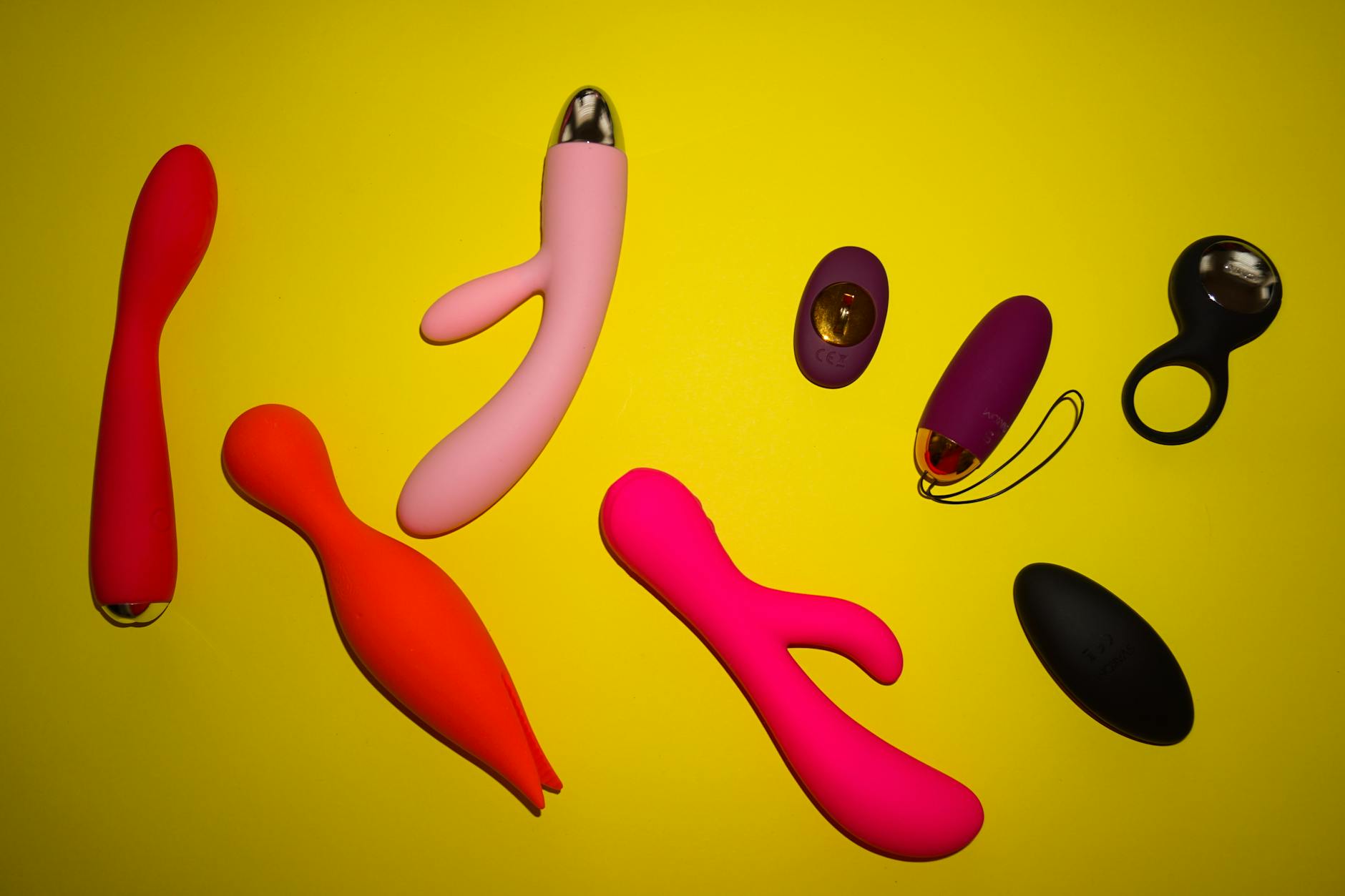
Photo by cottonbro studio on Pexels
The pelvic floor connection nobody mentions
Desensitization and pelvic floor tension often go hand in hand. When your muscles are chronically tight, blood flow to the area decreases. Reduced blood flow means reduced sensitivity. You're essentially constricting your own nerve signals.
If you've been frustrated and tensing your pelvic floor during unsuccessful attempts at pleasure, you've probably tightened things further. Before using your Lem, spend 2-3 minutes actually relaxing the pelvic floor. This sounds counterintuitive because Kegels (pelvic floor contractions) get all the attention. But relaxation is equally important.
Here's a simple technique: breathe in through your nose for 4 counts, then exhale slowly through your mouth for 6 counts while consciously releasing any tension in your pelvic floor. Imagine your muscles softening, opening. Do this 5-10 times before you start. It genuinely changes the experience.
If you've been wanting to work on pelvic floor relaxation more strategically, lemon clitoral vibrators can be part of that work.
When to see a doctor, and when to just wait
Desensitization from toy use is usually self-reversible with the strategies above. But numbness can also signal other things: nerve damage from illness, medication side effects, hormonal imbalances, or vascular issues that reduce blood flow.
If you've been experiencing numbness for more than 3 months with no improvement, or if the numbness is happening everywhere (not just during sexual stimulation), see a healthcare provider. Sometimes the problem isn't your toy or your mindset. Sometimes it's actually medical.
Medications like SSRIs can create permanent-feeling desensitization. Diabetes, vascular disease, and neuropathy can all affect clitoral sensation. These are worth ruling out before assuming you just need patience and a different vibrator.
That said, most people who've built up tolerance to traditional vibration find that switching to suction, lowering intensity, and giving their nervous system novelty works remarkably well.
The role of variety and novelty
One of the biggest mistakes I see people make is buying one toy they love and using it exclusively for years. Your nervous system craves novelty. It's literally designed to pay more attention to new stimuli and less attention to repetitive ones.
You don't necessarily need to buy multiple toys (though there's nothing wrong with that). You need to vary your approach with the toy you have. Different patterns, different angles, different intensities, different timing. Even rotating which toy you use week to week can help. The brain's "attention" to sensation increases when it's not sure what's coming next.
Patience is the real work
Here's what I tell my clients: resensitization isn't about finding the magic setting. It's about rebuilding your nervous system's willingness to be surprised by pleasure. That takes time, consistency, and releasing the expectation that it should work the way it used to.
Your body is not broken. It's not worn out. It's adapted, and adaptation is reversible. A lemon vibrator's suction mechanism gives you a genuinely different signal to work with. Lower intensity forces you to pay closer attention. Strategic breaks let your nervous system reset. And patience, genuinely, is where the real change happens.
You deserve to feel pleasure intensely again. This is very much possible.
People also ask
Can desensitization from vibrators be permanent?
No. Desensitization from toy use is reversible, even if it's been going on for months or years. Your nervous system hasn't been damaged. It's adapted. By removing the repetitive stimulus, introducing novelty, and lowering intensity, sensitivity returns. The timeline varies, but patience works.
How long does it take to regain sensitivity?
For most people, noticeable improvement happens within 2-4 weeks of consistent change. Full sensitivity can take 6-8 weeks. Some people notice results within days if they switch to an entirely different type of stimulation. It depends on how long you've been experiencing numbness and how consistently you practice the resensitization strategies.
Is suction really better for desensitization than vibration?
Not necessarily better. Different. If your nervous system has adapted to traditional vibration, suction offers a novel signal your brain hasn't learned to filter. That novelty alone often reignites sensation. But some people find that a much lower vibration intensity (like setting 1 on a lemon vibrator) is what actually works. The point is changing the stimulus, not the mechanism specifically.
Should I take a break from toys entirely if I'm desensitized?
Yes, but not for months. A 1-2 week complete break can help reset your baseline. After that, returning with lower intensity and novel patterns is more effective than extended abstinence. Your nervous system needs stimulus to rewire. It just needs to be a different kind.
Can anxiety make desensitization worse?
Completely. Anxiety dampens arousal by raising cortisol and lowering blood flow to the genital area. If you're anxious that something won't work, your body responds by making it not work. This is why the mental reset (removing pressure, practicing curiosity instead of performance) is so critical. You have to want to explore again, not perform again.
What if lemon vibrators don't help my desensitization?
That usually means either the timeline wasn't long enough, or there's an underlying medical factor. Three months is a fair trial period. If nothing has changed after genuinely trying the strategies above, talk to a doctor. Sometimes desensitization signals hormonal changes, medication side effects, or vascular issues that need treatment. That's not a failure. That's useful information.
If you're experiencing desensitization or numbness and want to explore how Hello Nancy's approach to pleasure might help, reach out. I'm here to talk through what's happening and what might actually work for your body. Get in touch anytime.