Let's talk about the hardest part
Trust breaks quietly sometimes. A lie discovered. A boundary crossed. Suddenly the person next to you feels like a stranger, and the thought of being intimate with them feels impossible, or worse, unsafe. Physical connection becomes the place where betrayal lives, and rebuilding it isn't just about desire. It's about whether you can feel safe being vulnerable again.
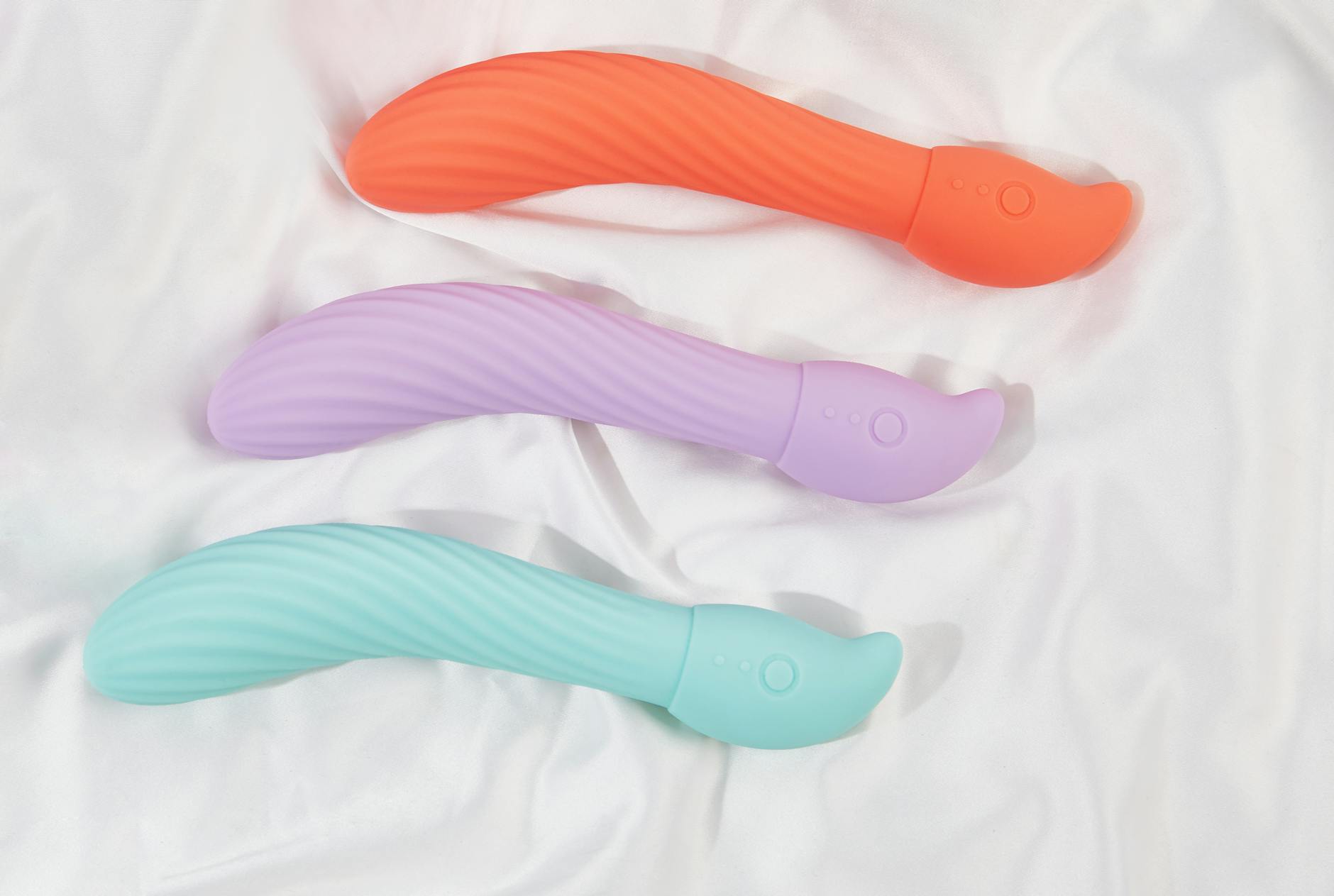
Honestly though, I've watched couples use tools like lemon clitoral vibrators to rebuild something real. Not to skip over the damage. Not to pretend the hurt didn't happen. But to create a new context for touch, one where both people are in control, present, and choosing each other.
Why traditional intimacy won't work right now
After trust breaks, the usual scripts don't apply. If your partner initiates sex the way they did before, it can feel like gaslighting. "Nothing's changed," they might say. But everything has changed. You don't trust the same way. You're hyperaware of their body in ways that feel intrusive instead of intimate. You might flinch at touch that used to feel good.
This isn't dysfunction. This is your nervous system protecting you, and it's intelligent.
The problem with jumping straight back into partnered sex is that it asks you to be vulnerable in the exact context where you were hurt. You're supposed to relax, open up, respond. Instead, you're monitoring. You're reading for sincerity. You're protecting yourself. That's survival. It's not arousal.
How lemon vibrators create safety
Here's what changes when you introduce a lemon suction vibrator into reconnection work: the power dynamic shifts. You're holding the device. You're choosing the intensity. Your partner is watching, learning, supporting. The focus moves from "us performing together" to "you discovering what feels good while I'm here."
This matters because rebuilding trust isn't abstract. It's built in small moments. Your partner asks if you want to try something. You say yes or no, and they respect it immediately. No negotiation. No disappointment. Just respect. Then you do it again. And again. Hundreds of tiny moments where they choose your comfort over their own desire.
Lemon clitoral vibrators are particularly useful here because suction feels fundamentally different from friction. It's less penetrative, less consuming. You stay more present. Your nervous system can relax slightly because the sensation isn't triggering the same reflexive protection.
The conversation you need to have first
Before any toy touches anything, you need to talk. Properly. Not during an attempt at sex, and not casually while making dinner. Set aside real time.
Here's what needs to happen: Your partner needs to understand that this isn't about them failing sexually. This is about both of you creating a new experience together, one that's built on your consent and comfort. Make that explicit. Say it twice.
Then ask yourself some questions out loud. What does feeling safe look like now? What would make you feel genuinely chosen, not just tolerated? Is there a time of day or context that feels less loaded? Do you want to start clothed? Do you want to use a toy first, before any partnered touch?
Your partner should answer honestly too. Are they ready for this? Do they understand why traditional sex feels unsafe right now? Can they handle being slow, patient, and genuinely attentive? If they're rushing this, or if they seem resentful about the pace, that's information. It might mean the trust repair work needs to happen in therapy before it happens in bed.
The actual first step
Starting solo is often the real move here. Spend time rediscovering what feels good on your own terms, with zero audience. Use a lemon vibrator alone. Notice what happens in your body. Feel pleasure without needing to perform it or manage someone else's response to it.
This serves two purposes. One: you remember that your body still works. That pleasure is still possible for you. That you're not broken by what happened. Two: you gather real information about what intensity, speed, and context actually feels good now. Your nervous system has changed. Your preferences might have too.
When you're ready, bring your partner into the room. Literally. They sit nearby, not touching. Not performing. Not watching intensely. Just present. You use your lemon clitoral vibrator. They're there. That's the step. Not sex. Not mutual stimulation yet. Just presence.
If that works, the next step is your partner holding the lemon vibrator while you guide them. "Higher. Slower. Wait." You're in control. They're following. This is the micro-practice of trust.
When shame shows up
It will. You'll feel embarrassed being this vulnerable. They'll feel awkward or frustrated. Both are normal. This is where the relationship therapy part is critical. Shame doesn't mean you're doing it wrong. It means you're going slow enough to feel what you've actually been carrying.
One of my clients told me: "I felt weird asking him to move the lemon vibrator. Like I was being too picky. Like I should just be grateful he was trying." That's the voice of someone who's been trained to minimize their own needs to keep a partner comfortable. That voice doesn't get to run this process.
Your needs aren't picky. Your boundaries aren't excessive. If something doesn't feel right, it doesn't feel right. You don't have to justify that to anyone.
How long does this actually take
There's no timeline. Trust repair isn't linear. You might feel close for three weeks, then have a conversation that brings it all back, and you're starting over. That's not failure. That's the reality of this work.
I typically see couples spending 3-6 months on this kind of reconnection, depending on the depth of the betrayal and whether they're in therapy. Some people move faster. Some take a year. The goal isn't speed. The goal is genuine safety, not just the appearance of it.
If you're not seeing any movement after 6 months, that's worth examining with a professional. It might mean the betrayal trust repair needs to happen first, before physical reconnection. Or it might mean this particular relationship needs to shift in a bigger way.
What success actually looks like
It's not the same as before. You don't want it to be. Before, you missed signs. Before, you didn't know you needed to ask for certain things. Before, you weren't as conscious about boundaries.
Success looks like choosing your partner again, knowing what you know now. It looks like being able to have pleasure without protecting yourself simultaneously. It looks like your partner understanding that respecting your "no" or "slow down" or "this doesn't feel right today" is not a rejection of them, but a sign of trust. If you can say no and feel safe, the yes means something real.
Using a lemon suction vibrator through this process isn't about the toy. It's about the context. It's about creating a situation where pleasure is explicitly about you, where your partner gets to practice respecting your boundaries, and where you get to practice receiving care again.
That's the foundation. Everything else builds from there.
People also ask
Can lemon vibrators actually help rebuild trust after infidelity?
Not directly, no. A toy can't repair broken trust on its own. But it can create a new context where you practice being vulnerable and where your partner practices respecting that vulnerability. Trust is rebuilt in tiny moments of consistency over time. If your partner respects your boundaries around a lemon vibrator, that's one moment. Do that a hundred times, and something shifts. The toy is just the structure that makes those moments possible.
Is it weird to use a lemon clitoral vibrator with a partner after betrayal?
Not at all. It's actually more common than you'd think. People who've been hurt often feel safer starting with something that keeps them in control. A lemon suction vibrator gives you that control. Your partner gets to support without driving. The dynamic is different, and different is exactly what you need right now.
How do I talk to my partner about using lemon vibrators if they're the one who cheated?
Directly. "I'd like to try this approach to rebuilding physical closeness. Here's why it feels safer to me." If they respond defensively, that's a sign the trust repair work isn't ready yet. A partner who's genuinely committed to rebuilding will understand that you need to feel in control. If they resist, couples therapy needs to happen before intimacy does.
What if I'm not attracted to my partner anymore after the betrayal?
That's different from the trust issue, and it's worth examining separately. Betrayal can genuinely kill attraction. Sometimes it comes back. Sometimes it doesn't. Before you decide the relationship is over, work with a therapist on whether the attraction issue is about the betrayal or something deeper. And be honest: if you're using the betrayal as a reason to leave a relationship you wanted to leave anyway, that's worth knowing.
Can we skip the solo phase and jump straight to partnered use?
Technically, yes. Practically, probably not. Solo use gives you information about your own body and what feels good. It also gives you time to process without managing your partner's emotions simultaneously. That separation is valuable. If you're desperate to move faster, that's worth exploring with a therapist too.
How do I know if our relationship is worth rebuilding?
That's the real question, and I can't answer it for you. What I can tell you: if your partner is willing to slow down, listen, respect your boundaries, and do their own work on understanding why they broke trust, there's something there. If they're not, no amount of lemon vibrators or patience will fix it. Trust your instincts about that.
The thing about starting over
This isn't about forgiving and forgetting. It's about acknowledging that something broke and choosing, consciously, to build something new. Something where you both know what you're capable of, and you choose each other anyway.
Rebuildinging intimacy after betrayal takes honesty, patience, and tools that help you feel safe. A lemon vibrator can be one of those tools. But the real work is the conversation, the respect, and the willingness to do this slowly enough to actually heal.
If you're ready to start, start with the conversation. Everything else follows from there.