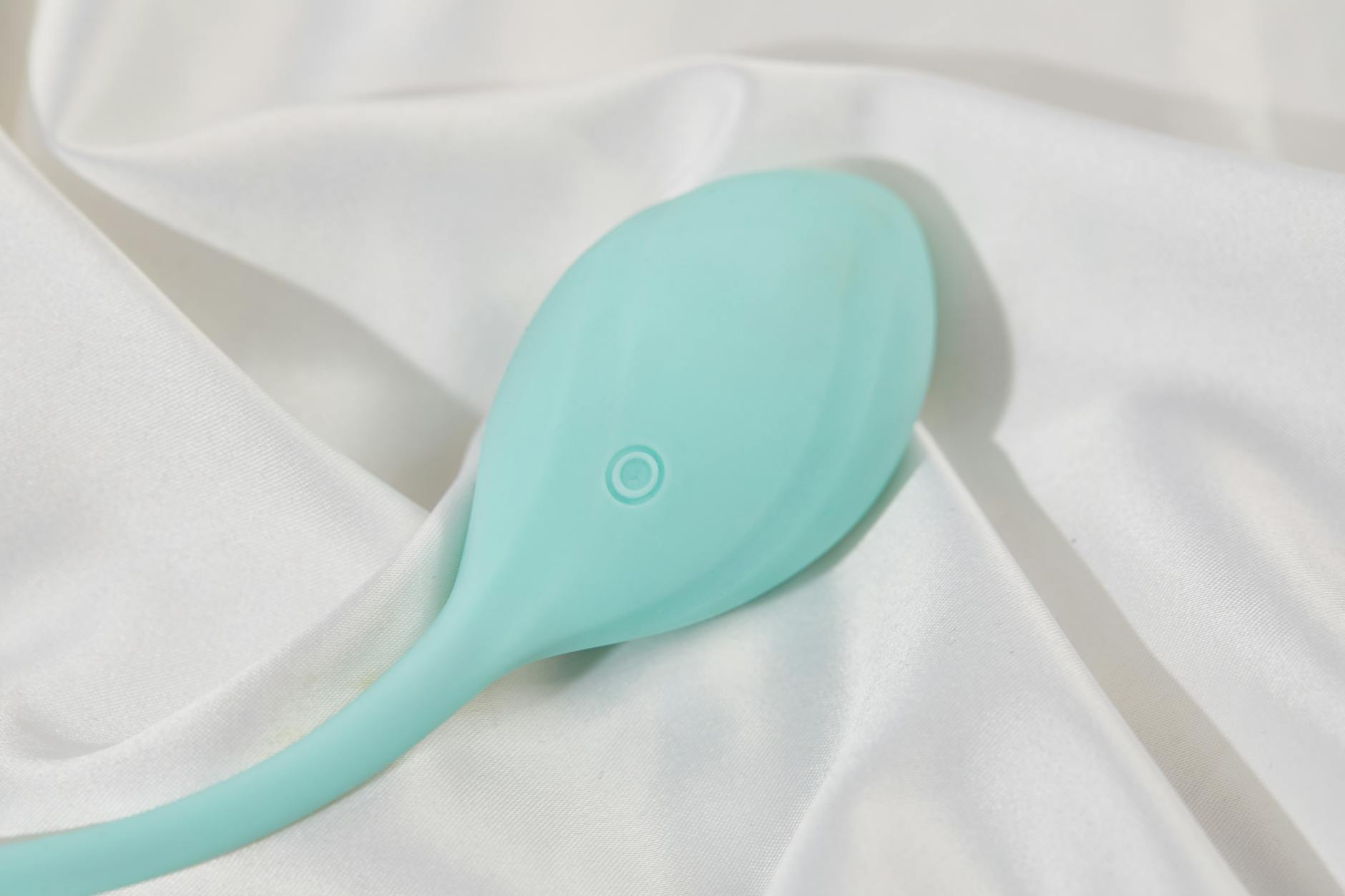
How to Use Lemon Vibrators for Better Sensation When Hormones Shift
Let's be real. Your hormones are like the sound system in your body. When the settings shift, everything feels different through the speakers, but the music hasn't stopped. That's what's happening with sensation when your hormones change.
Your nervous system doesn't break. Your capacity for pleasure doesn't disappear. What changes is how quickly arousal builds, how much direct pressure feels good, and which stimulation techniques actually land the way you remember. And that's where understanding your body's new setup becomes the game-changer.
What hormonal shifts actually do to sensation
When estrogen and testosterone fluctuate (whether from birth control, perimenopause, postpartum recovery, or other life phases), tissue thickness changes first. The vaginal and vulvar tissue becomes thinner and less naturally lubricated. Your pelvic floor loses some of its estrogen-dependent elasticity. Blood flow patterns shift slightly, which means arousal takes longer to register.
Here's the part people get wrong: none of that means sensation is gone. It means the pathway to sensation has changed. Your clitoris still has the same 8,000 nerve endings. Your brain's pleasure centers light up exactly the same way. The neural architecture for orgasm is identical.
What's different is the journey. It's like your favorite route to work suddenly has construction. You're still going to the same destination, but the road looks different.
Why clitoral vibrators feel different when hormones shift
Traditional vibrators rely on direct frequency hitting the nerve endings at high speed. When tissue is thinner, when arousal takes longer to build, when the pelvic floor is under tension, that direct approach can feel harsh or even painful. Some people describe it as overstimulation they never had before.
Lemon vibrators work with a different principle. Instead of traditional buzz, they use pulsing suction that stimulates without requiring the same intensity of direct contact. For people navigating hormonal shifts, this matters enormously.
Think of it this way. A regular vibrator is a jackhammer. A lemon clitoral vibrator is a gentle hand that creates waves of pressure. Both reach the same nerve clusters, but one respects tissue that's adjusted to new hormonal conditions.
Starting slow when sensation feels unfamiliar
When hormones shift, your baseline for sensitivity shifts too. What felt perfect last year might feel too strong now. This isn't failure. It's recalibration.
With a lemon vibrator, start on the lowest setting. Spend 5 to 10 minutes just noticing sensation at level 1 or 2. Don't rush to intensity. Your body is rebuilding its arousal map with new neurochemistry. Speed doesn't help that process. Patience does.
Many people find that after 3 to 5 sessions at lower settings, sensitivity actually rebounds. Your nervous system adjusts. The tissue begins responding more quickly. What started as slow arousal can become reliably powerful. But that only happens if you don't try to force it with higher intensity too soon.
Lubrication becomes your practical ally
When hormones shift, natural lubrication usually decreases. This is not a sign that your body is broken. It's a sign that external lubrication moves from optional to essential.
Pair your lemon vibrator with a quality water-based lubricant. The suction design of a lemon vibrator works beautifully with external lubrication because it doesn't dry things out the way friction-based toys sometimes can. The glide stays consistent. Sensation stays responsive.
If you've never used lubricant before, this is actually the perfect moment to experiment. Start with a generous amount, then adjust down. You'll find your preference quickly.
Building arousal takes longer, and that's fine
Hormonal shifts often mean arousal builds more slowly. What used to take 5 minutes might take 15 or 20. This feels like a problem until you reframe it, and then it becomes an advantage.
When arousal builds slowly, you have time to explore sensation. Time to notice what's actually happening in your body. Time to get genuinely curious instead of goal-focused. Many people report that this slower build actually leads to more intense, more satisfying orgasms. The tension has more time to accumulate.
With a lemon vibrator, lean into the slowness. Use the lower settings as foreplay. Let arousal build across 15 to 20 minutes. You're not being inefficient. You're working with your body's current chemistry instead of against it.
Pelvic floor tension matters more now
When hormones drop, the pelvic floor often holds more tension. It's less supported by estrogen, which means muscles work harder to stabilize. This creates a catch-22. Tension makes arousal harder. Harder arousal creates more tension.
Before using your lemon vibrator, try a 2-minute pelvic floor release. Lie down, breathe deeply into your belly, and consciously relax the muscles around your vaginal entrance. Imagine them softening like butter in the sun. This single practice transforms how a lemon sucker feels.
If pelvic tension is significant, consider exploring pelvic floor physical therapy alongside pleasure exploration. A pelvic floor PT can teach you exactly where you're holding tension and how to release it. That partnership with professional support plus your lemon vibrator is powerful.
When to involve your partner in this transition
If you're in a relationship, hormonal shifts affect both people's experience. Your sensation has changed. Their expectations haven't updated yet. That's a recipe for disconnection unless you name it.
Bring your partner into this exploration. Let them understand that sensation feels different, that arousal takes longer, that you need a different approach. This isn't rejection. It's inviting them into a new chapter.
Many partners find that slowing down together is actually the best thing that's happened to their sex life. When you're not racing toward a goal, when you're genuinely present, connection deepens. Your lemon vibrator becomes something you both understand and support.
Tracking what works as hormones continue shifting
Hormonal patterns aren't static. If you're in perimenopause or dealing with ongoing birth control adjustments, sensation might shift again next month or next season. This isn't failure. It's your body being alive.
Keep a simple note of what works. "Level 2 for 10 minutes, then level 3" or "works best in the morning" or "need more lube than usual this week." These tiny observations help you adjust quickly instead of doubting yourself.
Over time, you'll notice patterns. You'll develop an intuitive sense of what your body needs right now. That intuition is worth more than any fixed routine.
When sensation still feels stuck, ask for help
If you've been using your lemon vibrator consistently for 2 to 3 weeks and sensation still feels muted or painful, talk to a healthcare provider. Hormonal shifts can sometimes create conditions like genitourinary syndrome that respond beautifully to topical treatments. A good doctor can assess what's happening and offer options you might not know exist.
This isn't weakness. It's information gathering. Your body's signals are data. Collect it, share it with someone trained to interpret it, and adjust accordingly.
FAQ: Lemon Vibrators and Hormonal Changes
How long does it take for a lemon vibrator to feel good when my hormones have shifted?
Most people notice a difference within 3 to 5 sessions. Your nervous system begins recognizing the suction sensation and responding more readily. But full recalibration, where arousal builds reliably and orgasms feel powerful, usually takes 2 to 4 weeks of consistent exploration. Patience in those early sessions pays enormous dividends.
Can hormonal birth control make lemon vibrators feel less intense?
Yes. Hormonal birth control affects blood flow, tissue thickness, and neural sensitivity. Some people on certain formulations find that clitoral sensation feels muted. If this happens to you, it's not the lemon vibrator's fault. It's your chemistry. Talk to your provider about whether your current birth control is the best fit, or adjust your technique to build more arousal time before using the vibrator.
Is it normal for sensation to feel uncomfortable or oversensitive when hormones change?
Completely normal. Thin tissue is often more sensitive to direct pressure, which is why a lemon sucker's gentler approach helps so much. But if discomfort persists, slow down even further. Use the lowest setting. Add more lubricant. Give your body extra recovery time between sessions. Oversensitivity usually calms down as your nervous system adjusts.
Should I use my lemon vibrator differently during different parts of my cycle?
Often yes. If you menstruate, sensation and arousal typically shift across your cycle. You might feel more responsive during certain phases. Track what you notice. Some people find that certain settings work better at certain times. This isn't complicated or obsessive. It's just noticing your body's actual rhythm.
What if my partner and I want to use a lemon vibrator together but my hormones have shifted?
Start with conversation first. Explain what's changed in your sensation and arousal. Let them know the lemon vibrator helps you feel good again. Then explore together slowly. Use it during foreplay. Let your partner see and feel how you respond. Slow exploration together rebuilds intimacy and helps them understand your body's new setup.
Can lemon vibrators help if I'm on medication that affects sensation?
Many medications, especially SSRIs and some blood pressure medications, affect arousal and sensation. The good news is that lemon vibrators often work well in these situations because they don't require the same intensity of sensation that traditional vibrators do. The pulsing suction can reach and stimulate nerves even when overall sensitivity is reduced. Still worth discussing with your doctor.
What happens when you work with your body instead of against it
Hormonal shifts are not a punishment. They're a pivot. Your body is reorganizing itself. That reorganization only feels like loss if you're expecting the old setup to work exactly the same way.
But when you understand what's actually changed, when you use tools like lemon clitoral vibrators that work with your new chemistry instead of against it, when you slow down and let arousal rebuild on its own timeline, something shifts. Pleasure doesn't come back. It transforms. It becomes deeper, more intentional, less performative.
Your lemon vibrator isn't compensation. It's partnership. It's you and your body figuring out what works now. And that's always worth the time.
If you're navigating these shifts and want support beyond self-exploration, reach out. Understanding how your specific situation impacts your pleasure matters. You deserve sensation that feels good right now, not nostalgia for how it used to feel.
Get in touch with Hello Nancy if you want to explore how to navigate pleasure through hormonal transitions.