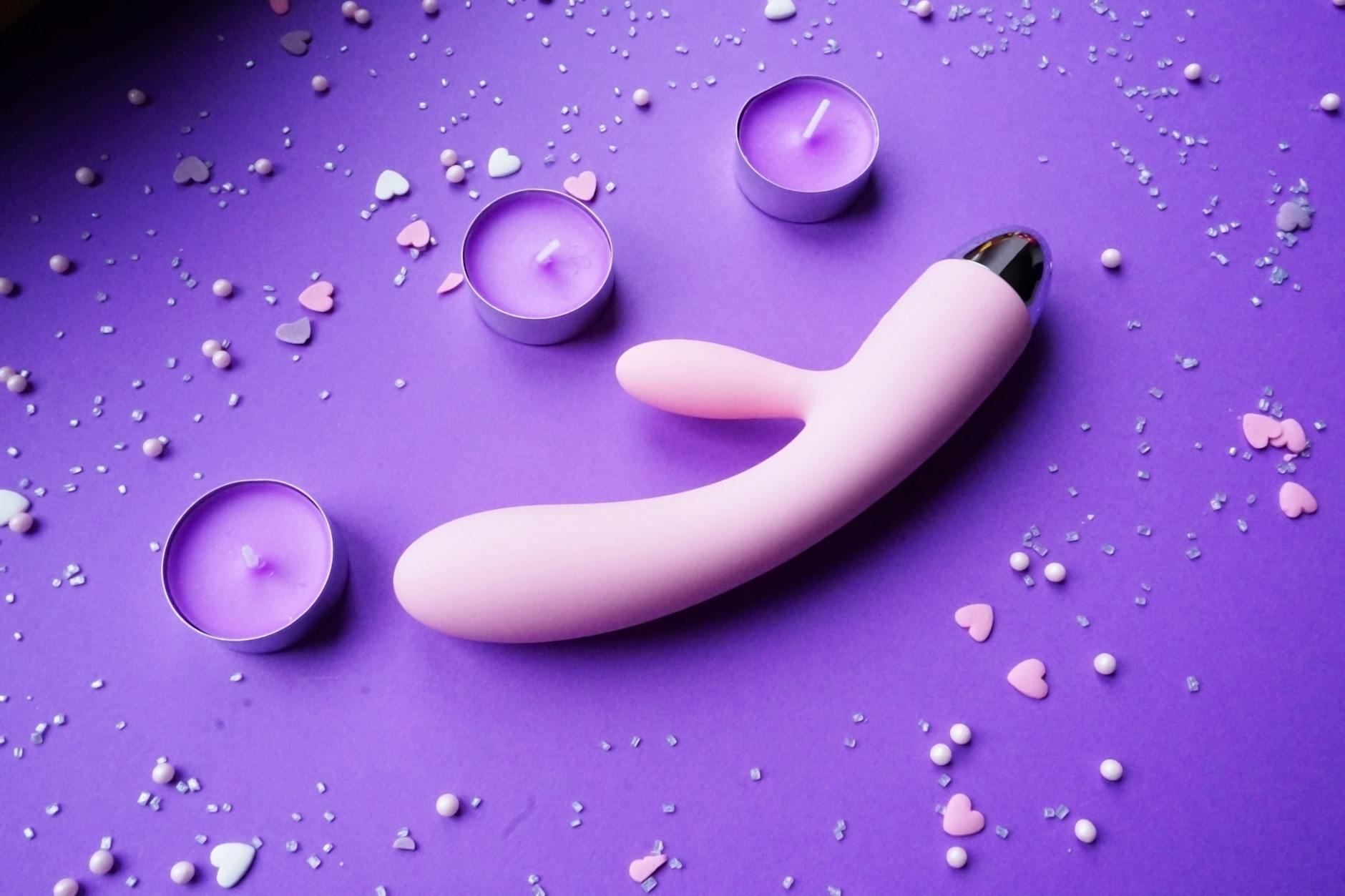
The thing nobody tells you
Introducing a vibrator into your sex life together feels like a bigger conversation than it actually is. You're not negotiating a boundary shift. You're solving a logistics problem. And once you separate those two conversations, it becomes weirdly easy.
Here's what actually matters: your partner doesn't feel replaced, you both know how to use the toy without it derailing arousal, and you've built enough comfort that you can laugh if something goes awkwardly (which, statistically, something will). That's it.
Why the conversation feels harder than it is
Most couples stall on bringing a toy into partnered sex because they're carrying one of three fears. First: "My partner will think I'm not satisfied." Second: "They'll feel like the toy is replacing them." Third: "We'll both be too awkward to recover if it feels weird."
None of these fears actually match the data. Partners who use clitoral vibrators like the Lem report higher satisfaction, more frequent orgasms, and paradoxically more connected sex because there's less performance pressure on both sides. The toy doesn't replace anything. It just tilts the playing field so that pleasure becomes easier rather than harder.
As for awkwardness: yes, it might feel strange for about thirty seconds. Then you'll both realize how little that matters once actual sensation is involved.
How to actually bring it up
Don't frame it as "I need a toy because something's missing." That's the fastest way to trigger the replacement fear.
Instead, try this: "I want to experiment with something that might make you feel amazing. I've been thinking about using a lemon vibrator during sex because I'm curious what it feels like for both of us." Notice the frame shift: it's not a fix, it's curiosity and collaboration.
If your partner gets defensive, the conversation usually isn't about the toy. It's about feeling desired, or feeling like their body is enough, or sex is changing in a way they're not ready for. Those conversations matter. Have them, but don't conflate them with the toy question.
When you actually show them the toy (and you should show them before sex, not surprise them with it), let them hold it, ask questions, understand what it does. Toys lose their power to scare people once they stop being mysterious.
The first time: what actually happens
Lemon vibrators are suction-based, which means they work differently than the vibrators most people have experience with. The sensation is broader, gentler, and weirdly easy to integrate into partnered sex because it doesn't require a ton of hand positioning on either partner's part.
Start with both of you clothed, the toy off, in a conversation. Let your partner hold the Lem, turn it on at pattern 1, understand the noise level and the sensation. Some people are shocked at how quiet it is. Others expect more intensity.
When you transition to sex, don't turn it on immediately. Let the first bit happen as usual. Then introduce the toy when arousal is already building. A lot of couples expect to use it the entire time. That's not necessary. One to three minutes at medium intensity right before orgasm is a solid starting point.
Your partner should be positioned comfortably. If they're inside you, the toy goes against the clitoris from the front or side. If they're not, it's just the two of you figuring out the angles that work. Neither of you should be contorted or uncomfortable.
Why sensation matters more than you think
One of the strangest things that happens when couples introduce a lemon vibrator is this: your partner often can't actually feel how much pleasure you're experiencing anymore. The suction sensation is so different from friction alone that they lose their usual cues. Your breathing pattern changes. Your pelvic floor engagement changes. Your orgasm might feel completely different.
This is good, but it requires a tiny conversation beforehand. Tell your partner: "I might respond differently. That doesn't mean anything except that this feels different." Then actually communicate during sex. "That's intense" or "slower, please" or "keep that angle" matters way more than you'd think.
If you want to read more about how sensation shifts with different stimulation types, the piece on how to find the right lemon vibrator pattern for your clitoris breaks down why some people need stronger sensation with a partner versus alone.
The logistics that actually matter
Here are the three things that determine whether this goes smoothly:
One: Battery charge. Check the battery beforehand. Running out mid-experience is genuinely frustrating. Charge it the night before.
Two: Lubrication. The Lem works on wet skin. If natural lubrication isn't robust enough, add a water-based lubricant. This isn't a sign that something's wrong. It's just physics.
Three: Noise tolerance. The Lem is quieter than most vibrators, but it's not silent. If that matters to you (kids in the house, shared walls, whatever), talk about it beforehand. Some couples find the sound weirdly hot. Others want to put a pillow over it. Both are fine.
What changes in the actual sex
If your partner is inside you while you're using the toy, sensation changes for them too. The position of the toy might mean less direct friction on them. Some partners need to adjust depth or angle. This is a small logistics problem, not a red flag.
If your partner is using the toy on you while they're inside you, they've got one hand occupied, which changes their rhythm and leverage. Some couples love this constraint because it forces a slower, more connected pace. Some find it awkward at first. Awkwardness usually resolves after the first time.
The thing I tell couples in my practice: the first time is data gathering, not the test run. You're learning what works. You're not committing to anything. If it feels weird, you talk about it, and you try again differently next time.
The emotional part nobody talks about
Here's what I've seen happen repeatedly: one partner worries the whole time that the other partner is secretly unhappy. Both partners are actually having fun. But the worry creates a false disconnect.
Midway through or right after, someone says, "So did you actually like that?" and the other person says, "Did you?" and both of you realize you were waiting for the other person to be the one who didn't enjoy it.
Talk about it after. Not in a "how was it" survey way, but in a genuine curiosity way. "I noticed you responded differently. Was the sensation weird good or just weird?" or "I liked how slow that was. Did it feel different for you too?"
These conversations build the emotional safety that makes the next time easier, the next time even better, and the next time actually hot instead of nervous.
When to try different patterns
The Lem has multiple patterns. Most people spend the first experience with patterns 1 through 3. That's fine. You're not supposed to be experimenting wildly the first time.
If the first experience goes well, the second time you might try slightly higher intensity or a different pattern. You're learning what your nervous system prefers during partnered sex, which is different from what you prefer alone. That's not weird or bad. It's just physiology. If you're curious about that difference specifically, how to use lemon vibrators for solo pleasure without a partner covers the solo side more thoroughly.
Troubleshooting the weird moments
Somebody loses focus. That's normal. It's not a reflection on you. Refocus, or stop, or laugh about it. All are valid.
Sensation feels too intense suddenly. Turn it off. Wait a second. Try pattern 1 next time. Your body is allowed to have different sensitivity on different days.
You don't orgasm this time and you usually do. This happens. It's almost always anxiety, not the toy. The next time will likely be easier.
Your partner seems uncomfortable. Stop and ask directly. "Does something feel wrong?" is better than assuming.
The thing that usually surprises both of you
When couples actually try this, the thing they didn't expect is how much easier everything becomes. Not just the orgasm part, though that often does become easier. But the whole dynamic gets less tense because there's literally less pressure on the person inside you to provide all the stimulation.
You both get to relax into pleasure instead of staying in your heads managing the performance. And that psychological shift is bigger than the physical shift, honestly. Your brain is where 70 percent of pleasure lives anyway.
Frequently asked questions
Will my partner feel insecure if I use a vibrator during sex?
Insecurity usually shows up as a reaction, not a fact. Your partner might feel insecure because something about the conversation or the situation triggered it. That's worth exploring, but it's not automatic. Most partners who've felt insecure initially adjust once they realize the toy genuinely enhances the experience for both people. The key is talking about it beforehand, not surprising them with it.
How long should I use the vibrator during sex?
Start with one to three minutes near the end, or whenever you feel pleasure building. There's no rule. Some couples use it for the entire experience. Some use it for 30 seconds. It depends on what feels good and what doesn't derail arousal for either of you. Experiment.
Should my partner be the one using the vibrator on me?
Not necessarily. Some couples prefer the receiving partner to control it because you know your own sensitivity best. Other couples like the partner using it as a way to feel more involved. There's no right way. Try both and see what feels more connected.
What if the vibrator makes sex feel clinical or less intimate?
That usually means you're in your head instead of in your body. Turn it off if that happens. Intimacy comes from presence and communication, not from whether a toy is involved. If the toy keeps pulling you out of presence, don't use it every time. Use it sometimes, and do partnered sex without it other times.
Is it normal to take longer to orgasm with a partner using a vibrator?
Yes, completely. Different stimulation pattern, different mental state, different person involved. It's not faster or better or worse. It's just different. Your body will adjust and probably find a rhythm pretty quickly.
How do I bring this up if my partner has mentioned being worried about toys before?
Don't surprise them with it. Have a direct conversation: "I know toys have felt weird before. I'm not trying to change anything about us. I'm curious about trying this together because I think it might feel good for both of us. What would make it feel less scary?" Listen to the actual worry, not the surface resistance.
The actual next step
If you're genuinely considering this, buy the toy first. Seriously. Not because you need to commit, but because you can't have an informed conversation about something you've never actually held or seen. Once you and your partner have both touched the Lem, turned it on, understand how quiet it actually is, the whole thing becomes less intimidating.
Then have the conversation when you're not in the bedroom and not right before sex. Maybe over coffee. Maybe a random Wednesday. The lower stakes, the better.
If you want specific guidance on how to navigate this in your particular relationship dynamic, reach out and let's talk about what would actually feel right for you both. Every couple's comfort level is different, and that's completely fine.