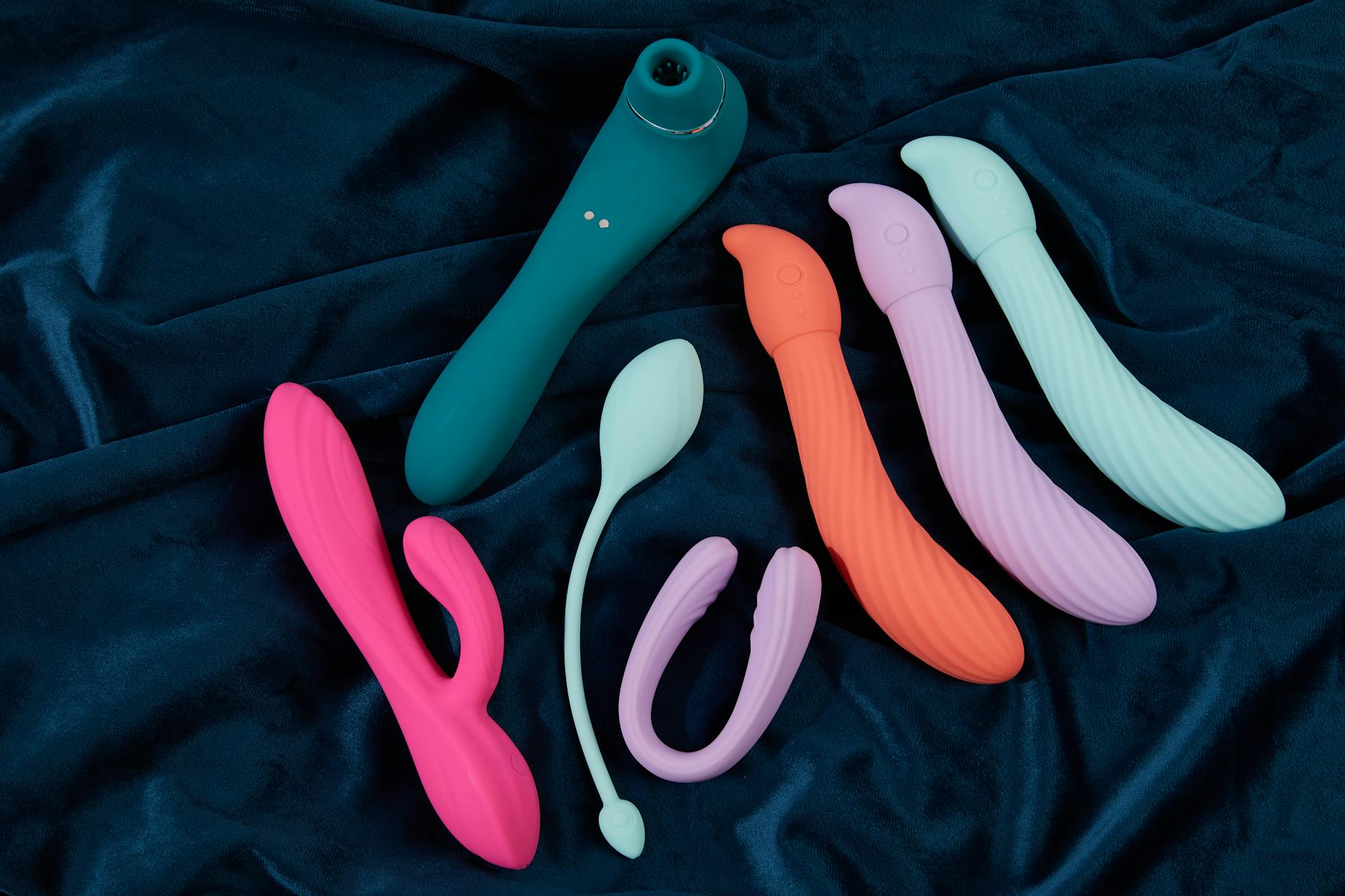
Let's talk about what desensitization actually is
Desensitization during partnered sex happens more often than people realize. Your body stops responding the way it used to. Touch that used to send a signal now feels... distant. Muted. Like you're experiencing sex through a pane of glass.
This isn't broken. This is adaptation. Your nervous system has learned to tune out sensation, usually because of stress, routine, emotional distance, or sometimes just the mechanics of how you and your partner have been intimate for years. The good news: you can reset it. Lemon vibrators, combined with honest conversation, do exactly that.
Why desensitization happens in long-term partnerships
Three main culprits show up over and over in couples work. First: repetition without variation. When the same touches happen in the same sequence, your nervous system gets efficient. It stops paying attention. This is your brain being smart, not your body failing.
Second: emotional distance masquerading as physical distance. If there's resentment, unresolved conflict, or you're checking out during sex, your body will absolutely follow your emotional lead. The clitoris has dense nerve endings, but they're wired to your brain. Shut off upstairs and sensation fades downstairs.
Third: plain old habit. You've trained your body to respond to certain inputs. If those inputs never change, your body adapts and the old stimulation feels less intense. This is why people often need stronger vibration over time, but it's also why introducing variation and novelty can reset everything.
The critical piece: desensitization in partnered sex isn't usually about the device. It's about breaking the pattern together.
How lemon vibrators reset the nervous system
Lemon clitoral vibrators work differently than other toys. The suction and pulsing patterns are gentler and more precise than traditional vibration, which means they engage nerves without the numbing effect that can come from intense, repetitive buzzing. When your body has tuned out sensation, this different signal wakes it back up.
Here's what happens neurologically: your nervous system has stopped paying attention to the old stimulus. A lemon vibrator introduces a completely new sensation pattern. Your brain has to re-engage. The suction feels different. The rhythm is different. The intensity curve is different. Your body notices.
In my practice, I've seen this work especially well for couples because it's obviously novel without being threatening. It's not "my partner is bringing in something to replace me." It's "we're trying something different together." That distinction matters for the emotional safety that allows desensitization to actually reverse.
The conversation before you introduce the toy
This is the part where most couples fumble. You have to name the thing that's happening without making it sound like blame. "I've noticed we've fallen into a pattern" works better than "you never touch me the right way anymore."
When you're talking to your partner, lead with what you want, not what's wrong. "I miss feeling like I'm really present during sex," is different from "I'm numb." One invites exploration. The other triggers defensiveness.
The conversation should also be honest about what you're hoping the lemon vibrator will do. If you're bringing it in to fix emotional distance, say so. If you're introducing it because you want to explore together, say so. Partners deserve context. They also deserve reassurance that this isn't about their performance.
One more thing: agree in advance that you can pause or stop. When someone feels like a sex change is being imposed on them, they tense up. Tension literally makes sensation worse. Permission to back out actually makes people more likely to stay in.
Using a lemon vibrator together when sensation feels numb
Start slow. This isn't the time for intensity. Set a specific window where you're not trying to "achieve" anything. No goal of orgasm. No performance pressure. Just sensation exploration.
Begin without the toy. Spend 10 to 15 minutes touching each other in ways you don't usually touch. This reorients your nervous system. You're not trying to turn each other on yet. You're reminding your bodies that touch exists.
Then introduce the lemon vibrator. Let your partner hold it while you guide where you want stimulation. This keeps them involved and makes it collaborative. If you're the one with the vibrator, ask your partner what they want to feel. Check in. Let them direct you.
Keep the intensity low at first, even if you want more. You're not chasing a sensation you used to feel. You're building new sensation pathways. Go slow enough that you can actually notice what's happening. Speed and intensity numb you faster.
One session will not fix desensitization that took years to build. Plan for this to be an ongoing practice. Think of it like teaching your nervous system a new language. That takes repetition.
When to involve a therapist
If desensitization is paired with emotional distance, contempt, or you and your partner have stopped talking outside of sex, a lemon vibrator won't fix that alone. The toy can help reset physical sensation, but if the relationship foundation is shaky, sensation will fade again quickly.
A therapist who specializes in couples work can help you address whatever's actually creating the distance. Once that's on the table, the vibrator becomes a useful tool instead of a band-aid.
If one partner is hesitant about using toys at all, that's worth exploring separately too. Sometimes the resistance isn't really about the toy. Sometimes it's about feeling replaced, or shame, or a mismatch in desire for change. A professional can help untangle that.
What changes when desensitization actually reverses
When it works, it's noticeable. You start feeling touches that have become background noise again. The anticipation of sex comes back. You think about your partner during the day instead of just during sex. You initiate. Your partner initiates. The whole dynamic shifts because the physical experience has shifted.
This isn't about becoming obsessed with sex. It's about reclaiming the channel of communication and connection that sex is supposed to be. When sensation comes back, so does presence. When presence comes back, so does intimacy.
That's the real power of reintroducing novelty, whether that's a lemon vibrator or any other intentional change. You're signaling to your relationship that you want to reconnect. You're giving your body permission to wake up. You're telling your partner you're willing to do the work together.
People also ask
How long does it take to reverse desensitization with a lemon vibrator?
Desensitization usually builds over months or years, so reversing it takes time. Most couples see noticeable changes in 3 to 4 weeks of consistent, intentional practice. That means using the lemon vibrator at least once or twice a week in the way we've described, combined with the emotional and communication work. Some people feel the shift faster. Others need longer. The key is consistency and patience.
Can desensitization happen if it's just me using a lemon vibrator alone?
Yes, self-desensitization is real. If you're using the same toy the same way every single time, your body adapts. Vary the intensity. Change the rhythm. Try different patterns. Take breaks. Use it differently than you did last time. Novelty is what keeps sensation sharp, whether you're partnered or solo. Mixing up your routine with a lemon vibrator actually keeps it effective long-term.
My partner thinks using a lemon vibrator during sex means they're not enough.
This is insecurity, not insight. Many people have been taught that a partner's pleasure should depend entirely on their body and effort. That's not how bodies work. Adding a vibrator doesn't replace a partner. It adds a different sensation that your partner can't physically create alone. Reframe it: "I want to feel amazing with you, and this helps me get there. Want to help?" Invite them into the experience instead of doing it separately. That changes the whole meaning.
What if my partner and I are desensitized to each other but we're not having sex?
Desensitization can happen to emotional and physical touch even without sex. Less hand-holding. Less affection. Touch that used to feel comforting now feels obligatory or absent. Start with non-sexual touch. Longer hugs. Hand-holding while talking. A back rub with no expectation. Once you rebuild that channel, sexual touch often follows naturally. Sometimes the issue isn't sex. Sometimes sex is just where the larger disconnect shows up.
Is desensitization the same as low libido?
No. Desensitization is about sensation fading even when desire is there. Low libido is about wanting sex less overall. You can be desensitized and highly interested in sex, or you can have high libido but struggle with sensation due to other factors. A lemon vibrator helps with desensitization specifically. If the issue is low desire, that usually points to hormones, stress, medication, or emotional factors outside the bedroom.
Should we use a lemon vibrator every time we have sex if desensitization is the issue?
No. The goal is to reset sensation, not to become dependent on the toy. Use it often enough during the relearning phase to rebuild the pathways, then gradually experiment with mixing it in and leaving it out. The goal is for regular touch to feel alive again without always needing extra tools. Once sensation comes back, you often need less intensity overall.
The reset is possible
Desensitization feels permanent when you're in it. Like you've broken something that was working fine before. That's not what's happening. You've adapted to routine. Your nervous system is efficient. Efficiency is what keeps you safe, but it also mutes pleasure.
A lemon vibrator and an honest conversation with your partner can rewire that. Not overnight. Not without effort. But yes, absolutely possible. The sensation you had before can come back. Often it comes back richer, because now you know what it takes to keep it alive.
Start the conversation this week. Order the toy if you want to. Set a time when you're both actually available and not rushed. Then practice. Consistently. Together. That's the reset.