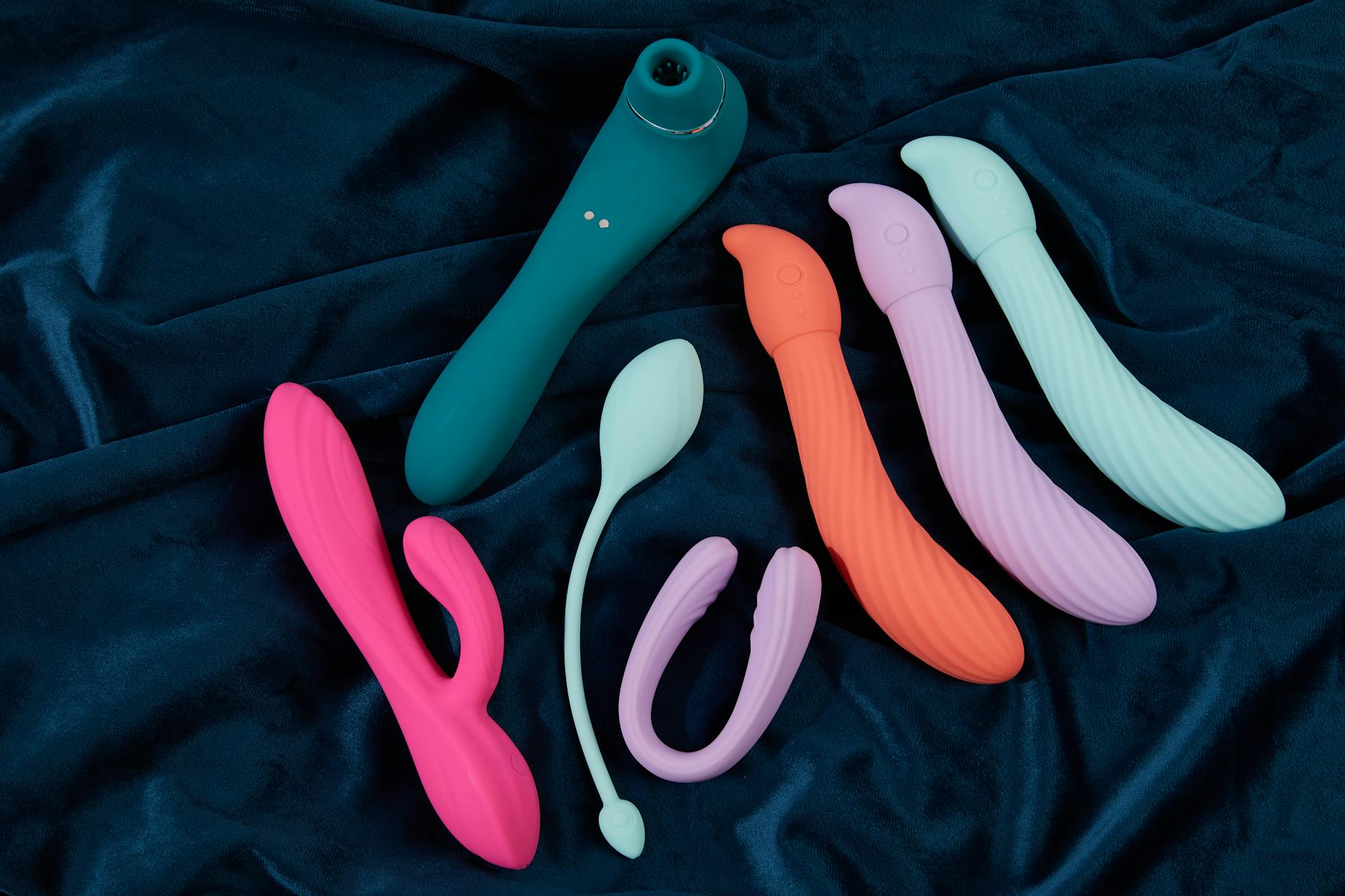
Let's be real about anxiety and pleasure
You can't think your way into an orgasm. Your brain has to actually relax for your body to feel anything. And if you're carrying stress, performance pressure, or just general life anxiety into your solo time, that nervous system activation shuts down arousal faster than you can say "Lem vibrator."
Here's the thing: nervous people don't lack desire. They lack access to pleasure because their body is stuck in threat mode. The clitoral vibrator works brilliantly for anxious people, but only if you set it up right.
Why anxiety kills arousal (the neurology)
When you're anxious, your sympathetic nervous system (fight-or-flight) is running the show. This means your body is primed for threat, not pleasure. Blood flow leaves your genitals and goes to your limbs. Your pelvic floor tightens. Your brain stays hyper-aware of everything around you instead of sinking into sensation.
Pleasure requires parasympathetic activation. That's the rest-and-digest mode. You can't force this. You can't willpower your way in. But you can create conditions that make it easier for your nervous system to drop into it.
The irony: most people grab their lemon sexual toys when they're already amped up and wondering why nothing feels good. The vibrator isn't the problem. The nervous system is.
The five-step setup that changes everything
Step 1: Set the environment like you mean it. No phone in arm's reach. Not on silent. Off. Out of the room. Dim lighting. A door that locks. Tell your brain there's nothing to defend against right now. This sounds like setup theater, but it actually signals safety to your nervous system, which is literal biology, not sentiment.
Step 2: Cold water on your wrists. This is called the dive reflex. Cold water on pulse points (wrists, the inside of your elbows, the back of your neck) for 20 seconds slows your heart rate almost immediately. It's a tool SEAL teams use to manage stress under pressure. You're using it to tell your parasympathetic system, "We're safe. Cool down."
Step 3: Breathe like you're meditating, then slower. Four count in, six count out. Do this for 2-3 minutes before you even touch yourself. Not as a meditation ritual. As a practical tool to activate your vagus nerve, which runs your entire calming response. The longer exhale is key. Your nervous system reads the exhale as a safety signal.
Step 4: Start with your hands, not the vibrator. Touch your body first. Feel your own temperature, your skin, the response without the hum. Let arousal start building from zero. Lemon clitoral vibrators are potent. They work faster than manual touch. But if you jump straight to high intensity when you're anxious, your nervous system reads it as overstimulation and shuts down harder.
Step 5: Introduce the lemon vibrator on the lowest setting, away from the most sensitive spot. Start on your thighs, your labia, the surrounding skin. Not the clitoris. Let your body get used to the sensation without the intensity of direct clitoral contact. This gives your nervous system time to realize, "Oh, this is pleasure, not threat."
What to do when anxiety spikes mid-session
You've set everything up, you're using the lem vibrator, and suddenly your brain jumps to "What if someone hears this" or "Am I doing this right" or just that general static of intrusive thought.
Stop immediately. Not because something's wrong. Because your nervous system just slipped back into threat mode and you'll only feel more frustrated the longer you push.
Instead: pause the vibrator. Put your hand on your chest or belly. Feel your heartbeat. Notice three things you can see, two you can hear, one you can feel. This is grounding. It brings your attention back to the present moment and out of the anxious narrative.
Then decide: do you want to rest, or do you want to ease back in with a few deep breaths and try again at a lower intensity?
Both are fine. The goal isn't to white-knuckle through anxiety into an orgasm. That defeats the entire purpose. The goal is to teach your nervous system that this time, this space, is safe.
The role of a partner (if you have one)
If you're trying to use a lemon vibrator with a partner and anxiety is in the mix, one thing helps more than anything else: them understanding that anxiety isn't about them.
"I'm nervous" doesn't mean "I'm not attracted to you." It means your threat system is stuck on. The best thing a partner can do is stay calm, ask what you need, and give you space. If they're coaching you or hovering or asking if you're close, that adds pressure. Pressure is the opposite of what your nervous system needs.
If you want them present, ask for them to be still and quiet. Sometimes just knowing someone's there who loves you is grounding. Other times you need to be completely alone.
There's no rule. Just communication.
Why consistency matters more than intensity
One of the best-kept secrets about using clitoral vibrators like the Lem when you're anxious: frequent, gentle practice works better than occasional intense sessions.
Think of it like exposure therapy. If you use your lemon sexual toy once a month when you're already stressed and trying to "make it work," your nervous system keeps hitting the same anxious pattern. But if you use it twice a week, even for five minutes, just to get curious about sensation without any orgasm goal, your body starts learning that this is safe.
The nervous system responds to repetition and consistency. Five minutes of relaxed exploration beats thirty minutes of tense effort.
When to talk to someone
If anxiety is so high that even with these tools you can't relax into your body, or if you notice that your nervous system is staying amped even after you've finished, this is worth discussing with a therapist, particularly one trained in somatic work or trauma-informed approaches.
Some anxiety is just background hum of modern life. Some anxiety is rooted in past experiences or relationship patterns. A professional can help you figure out which, and give you tools tailored to what's actually driving it.
A lemon clitoral vibrator is a tool. A fantastic one. But it's not a therapist. You don't need permission to get real help.
Quick wins for anxious brains
Some people find that a small ritual before pleasure helps. Lighting a candle. Making tea. Putting on a specific playlist. Your nervous system loves ritual because it signals safety and intention. This isn't woo. It's how human brains work.
Other people find that journaling anxiety beforehand helps. Five minutes of "here's what I'm worried about" on paper gets it out of your head and onto a surface you can put down. Sounds simple. Wildly effective.
Some find that committing to touch time without orgasm pressure changes everything. Use the vibrator. Enjoy sensation. If orgasm happens, great. If not, you still had twenty minutes of pleasure. Your nervous system doesn't keep score. It just knows whether you approached something with curiosity or desperation.
Take what lands and leave the rest.
FAQ
Can I use a lemon vibrator if I have diagnosed anxiety disorder?
Absolutely. If anything, clitoral vibrators can be particularly helpful because they bypass the mental chatter and get your attention into your body, which is calming. Start with the lowest setting, use the grounding techniques here, and go at your own pace. If you're on medication that affects sensation or lubrication, check with your doctor, but that's a logistics thing, not a "don't use vibrators" thing.
Why does my mind go to weird intrusive thoughts when I start to feel good?
This is your nervous system's job. When you start to feel something really good, your threat-detection system sometimes activates to make sure you're safe. It's annoying and counterproductive, but it's not a sign something's wrong with you. The parasympathetic activation of pleasure literally includes moments of doubt. Grounding and returning to breath helps more than fighting the thought.
Is it normal to need the vibrator on the lowest setting for a long time before anything happens?
Completely normal, especially if you're anxiety-prone. Your nervous system needs time to believe it's safe. There's no "should" here. Some people get there in five minutes. Others need twenty. The lemon vibrator will still work. You're just building tolerance and trust at the pace your body needs.
What if I can't orgasm even with all these tools?
If you've given yourself consistent, low-pressure time over weeks and orgasm still isn't happening, it's worth checking in with a sex therapist or your doctor. Sometimes medication side effects, hormonal shifts, or deeper anxiety patterns need professional support. But "I haven't orgasmed today" is not a failure. Pleasure is the goal. Orgasm is a bonus.
Can my partner help me use a lemon clitoral vibrator if I'm anxious?
Yes, but differently than you might expect. The best way is usually for them to be present but uninvolved. In the same room, quiet, maybe reading or nearby. Their calm presence can be grounding. The moment they're coaching or watching for results, you've invited pressure back in. Tell them what you need. "I need you here but quiet" is permission. "I need to be alone" is also permission.
How do I know if my anxiety is too much for solo play?
If you're shaking, having intrusive thoughts that won't stop, or feel like you might panic, stop. That's your nervous system saying, "I need more support than self-touch right now." There's no shame in that. Some days we're ready. Some days we're not. The vibrator will be there next time. Your wellbeing comes first.