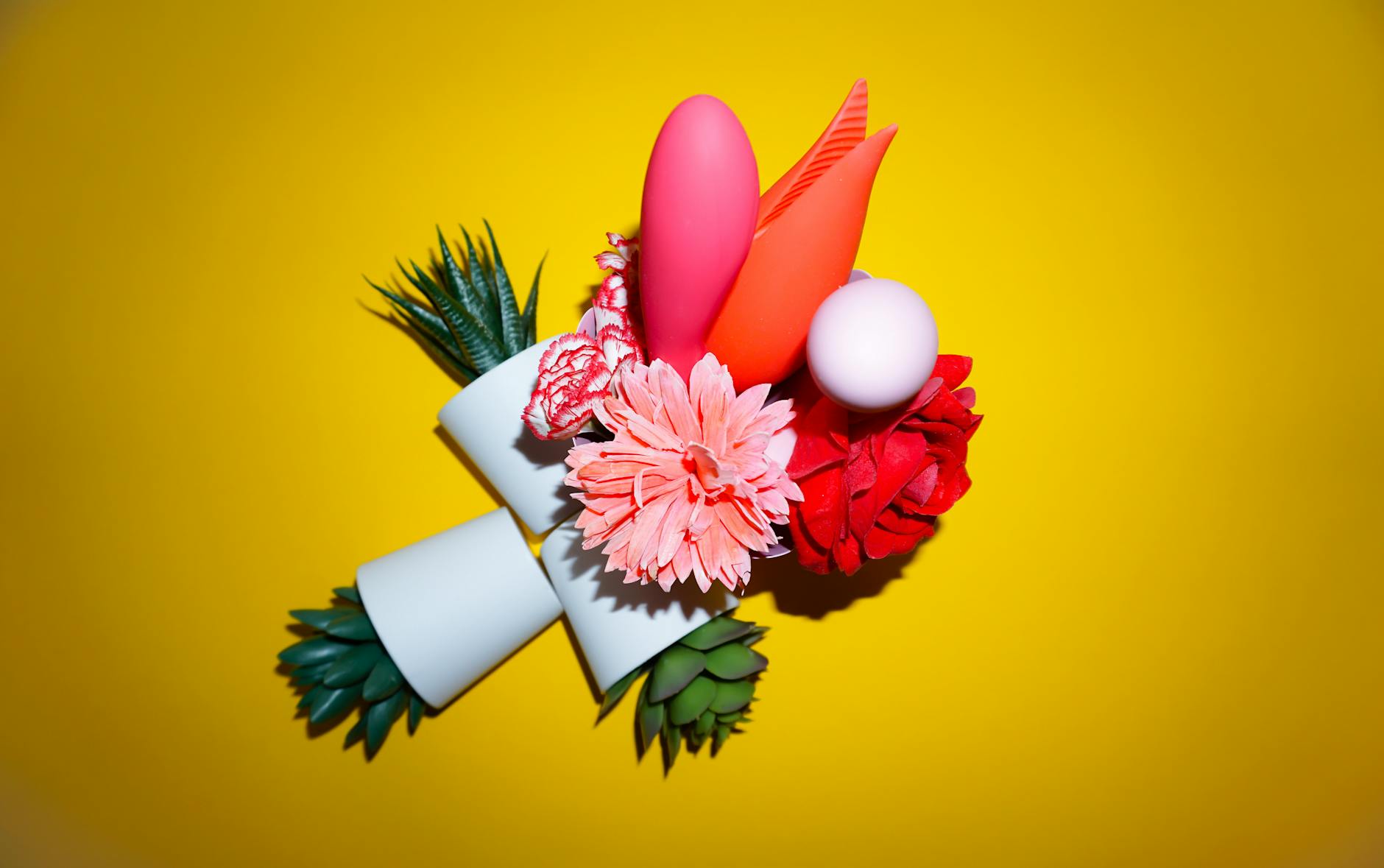
Let's talk about what nobody mentions
Orgasms used to feel incredible. Now they feel... muted. Like someone turned down the volume on a song you used to love. You're still finishing, still satisfied technically, but that full-body intensity, that deep release you remember? It's softer now. And you're wondering if this is just the way things are going to be from here on out.
Here's what I need you to know first: this is one of the most common things I hear from people across their thirties, forties, and beyond. And it's almost never permanent. Orgasm intensity isn't a fixed setting that decays with time. It's a response that gets shaped by stress, attention, nervous system state, and sometimes just habit.
The good news is that lemon vibrators, particularly the precision of air-suction technology like the Lem, can actually retrain your body to experience deeper sensation than you've felt in years. But first you need to understand why the shift happened.
Why orgasm intensity changes
There are usually three culprits, and often it's a combination.
The first is neurological habit. Your nervous system is incredibly adaptive. When you have the same type of stimulation in the same pattern for years, your nerves literally become less responsive to that exact input. You're not broken. You're just desensitized to the particular way you've been coming. This is one of the most fixable problems because it just means you need novelty, not medical intervention.
The second is hormonal drift. Estrogen, testosterone, and progesterone all influence nerve sensitivity and blood flow to genital tissue. Even small shifts matter. If you're on medication, changed birth control, hit a certain age, or are managing stress differently, hormones might have quietly adjusted. This doesn't mean sensation is gone. It means the tissue needs slightly different stimulation to wake up.
The third is attention. I see this especially with people in long-term relationships. After years together, sex becomes familiar, sometimes predictable. Your brain isn't as engaged. You're thinking about tomorrow's schedule or whether you turned off the oven. Neurologically, an orgasm without real mental presence is always going to feel flatter than one where your attention is completely there.
How air-suction changes the game
This is where lemon clitoral vibrators become genuinely different from what you might have used before.
Most vibrators work through direct oscillation. The motor vibrates the toy, and that vibration travels through the material to your skin. It's effective, but after repeated exposure, desensitization happens faster. Your body adapts to that specific frequency and intensity, and eventually you need more power or a different pattern just to feel the same sensation.
Air-suction works differently. Instead of vibration, it creates gentle pressure changes that feel like a soft pulsing suction. This stimulates a different set of nerve endings. It engages the tissue in a way that doesn't trigger the same adaptation response as traditional vibration. More importantly, the sensation feels fundamentally different from what you've experienced before, which means your nervous system has to pay attention again.
When people switch from a traditional vibrator to air-suction technology like the Lem, the most common word they use is "surprising." Not just stronger. Surprising. That element of novelty actually matters neurologically because surprise keeps your nervous system engaged. An engaged nervous system has more intense orgasms.
The warm-up factor nobody talks about
If orgasms feel less intense, there's a good chance you're not spending enough time building arousal.
Here's the thing: intensity doesn't come from the tool. It comes from how much blood flow and nerve activation you've built up before you ever get there. When intensity fades, people often respond by jumping straight to the toy, thinking that will solve it. What actually happens is you're starting from lower baseline arousal, so even if the toy is powerful, there's less to work with.
Start 10 to 15 minutes earlier than you think you need to. Use your hands first. Touch your inner thighs, your labia, anywhere except the clitoris. Let your body remember what building anticipation feels like. Once you're actually warm, when you're genuinely ready, then bring in the Lem.
You'll notice the orgasm starts differently. It starts from a place of actual readiness instead of mechanical stimulation of a cold start. The intensity difference is often dramatic.
Pattern variation actually rewires sensation
Most lemon vibrators have multiple patterns and intensity levels. The mistake people make is finding one pattern that works and staying there.
Your nervous system gets used to that exact rhythm. After a few weeks, it stops being novel. The orgasm flattens because there's no surprise, no new information for your brain to process. This is classic desensitization.
Change patterns every few days. Start low and work up. Try different speeds in different parts of your cycle if you menstruate. Spend a few sessions with patterns 2 and 3, then jump to 5, then back to 1. The variation itself is what keeps sensation alive. You're not looking for the perfect pattern. You're looking for novelty.
Most people find that after about a week of intentional pattern-switching, orgasms start feeling stronger again. Your nervous system is being challenged, so it's paying attention.
The breathing and pelvic floor connection
Here's something that sounds simple but genuinely changes everything: how you breathe during arousal shapes how intense the orgasm feels.
When sensation feels muted, people often unconsciously hold their breath or take shallow breaths. This actually reduces blood flow to genital tissue and limits the nerve activation you need for intensity. It's the opposite of what helps.
Instead, breathe deeper as arousal builds. Not forced deep breathing like you're doing yoga. Just let your breath be slightly fuller, slightly slower. As you get closer, your breath will naturally speed up. Let it. The rhythm of your breath actually syncs with your nervous system activation, and that synchronization amplifies intensity.
Similarly, your pelvic floor matters. If you're holding tension there, you're limiting the range of sensation. Start by gently squeezing, then completely releasing, several times before you use the Lem. This wakes up the muscles and trains them to engage during orgasm rather than stay tight. More engagement, more intense sensation.
When to consider other factors
If intensity has dropped suddenly and nothing is helping, it's worth checking a few things.
Are you stressed? Chronic stress literally numbs sensation. Your nervous system goes into protection mode and downregulates pleasure response. This isn't weakness. It's physiology. Address the stress first (therapy, movement, sleep, whatever helps you), and sensation often returns on its own.
Are you hydrated and sleeping? Dehydration reduces blood flow. Poor sleep messes with hormone regulation and nerve sensitivity. Both directly affect orgasm intensity. Sometimes the answer is genuinely just sleeping more.
Are you on any new medication? Some antidepressants, blood pressure medications, and other drugs can affect sensation. This doesn't mean you should stop taking them. It means talking to your doctor about it, because there are often alternatives or additions that help.
If you've experienced pelvic trauma or surgery, sensation might need time to return, or it might need a different approach altogether. There's nothing wrong with working with a pelvic floor specialist if sensation changes feel connected to physical injury.
The retraining timeline
If you're using lemon vibrators with real intentionality, pattern variation, and the warm-up approach, most people notice a shift within 7 to 10 days. By three weeks, intensity usually starts moving back toward what you remember. Not exactly the same, because your body has changed. But deeper, more present, more real.
The key is consistency and novelty together. Same tool, different patterns. Same body, different attention. The paradox is that doing the same thing over and over doesn't work. But doing the same tool in radically different ways does.
When you partner is part of the equation
If you have a partner, the conversation matters. "My orgasms feel less intense" isn't a problem statement. It's a data point. It usually means one of three things: your nervous system needs novelty, you need more actual arousal time beforehand, or you're mentally checked out during sex.
None of those are your partner's fault. But all of them are something you can address together. If you're using the Lem with a partner, talk about timing. Tell them that you need a real warm-up. Let them know you're trying different patterns to see what's working. Make it collaborative. Often the act of paying that much attention to sensation together actually intensifies orgasms in a way that the toy alone wouldn't.
The bigger picture
Orgasm intensity isn't supposed to stay exactly the same for forty years. Your body changes. Your stress changes. Your attention changes. What intensity means might even change. The goal isn't to get back to what you felt at twenty-five. It's to feel present and alive in what your body is actually capable of right now.
Lemon clitoral vibrators work because they offer novelty, because the sensation is genuinely different from what most people have used before, and because they're precise enough that you can find exactly what your current body actually responds to. But the vibrator is just half the equation. The other half is you showing up with real intention, real patience, and real attention to what's actually happening in your nervous system.
Start there. Give it three weeks. The intensity usually comes back.
People also ask
Why do orgasms feel less intense even when I'm still attracted to my partner?
Attraction and arousal are connected, but they're not the same. You can be wildly attracted to someone and still have a divided nervous system if you're stressed, distracted, or in a familiar routine. When the same person and the same scenario happens the same way repeatedly, your nervous system stops bringing full attention. This is why novelty, even small novelty like different patterns with a lemon vibrator, can reignite intensity. It's not about attraction fading. It's about attention fading.
Can aging actually make orgasms less intense, or is it just psychological?
It's both, but not in the way you're probably thinking. Hormonal shifts with age do change nerve sensitivity and blood flow. That's physical. But that doesn't mean worse. Many people report their most intense orgasms in their forties and fifties. The physical changes just mean the tool or the approach that worked at thirty might not work at forty. The solution isn't to accept flatter sensation. It's to adjust the input. A tool like the Lem that works through air-suction rather than traditional vibration often resonates differently with tissue that's hormonally shifted.
Does desensitization from one vibrator mean I need a stronger vibrator?
Not necessarily. If you've been using the same vibrator the same way for years, the problem usually isn't power. It's predictability. Switching to a completely different technology (like moving from traditional vibration to air-suction) or using the same tool in radically different patterns often works better than buying something with more power. More power to something your nervous system has already tuned out doesn't usually help. Novelty does.
How long does it actually take to feel intensity return?
Most people notice something shifts within 7 to 10 days if they're being intentional about warm-up time, pattern variation, and attention. Real noticeable intensity increase usually comes around week two or three. The timeline depends on how long desensitization has been happening (longer patterns take a bit longer to shift) and how much stress you're carrying (stress numbs sensation, so addressing that speeds recovery). Don't expect instant transformation. Expect subtle improvement that compounds.
Is it normal for intensity to change throughout your cycle?
Completely normal. If you menstruate, your hormone levels shift across the month, and that directly affects nerve sensitivity and blood flow. Some phases of the cycle naturally create more intense sensations. Other phases feel flatter. This isn't dysfunction. It's your body. If you track your sensations across a few cycles, you'll usually notice a pattern. Once you know your pattern, you can adjust your approach. Higher intensity patterns during lower-sensitivity phases, for instance.
Can my partner and I fix this together, or do I need to explore alone first?
Both work, and honestly, they reinforce each other. Solo exploration helps you understand what your current body actually responds to without the variable of another person's expectations. That knowledge then deepens partnered sex because you can guide them toward what actually works. But partnered exploration with real communication and intentionality also works, especially if you frame it as mutual curiosity rather than problem-solving. The couple approach often feels less clinical and more intimate. Try solo first, then bring what you learn back to partnered experience.
Ready to rebuild sensation?
Intensity doesn't fade permanently. It shifts. And with the right approach, the right tool, and real attention to what your nervous system actually needs, it comes back stronger than before. Start with warm-up time, try different patterns with a lemon vibrator, and pay attention to what your body is telling you. Within a few weeks, you'll probably notice a difference.
If you're hitting a wall or want to talk through what's actually happening with your sensation, reach out. That's what I'm here for.
Contact us to chat about what you're experiencing.