Here's what nobody tells you about post-surgical numbness
Surgery steals sensation. Whether it's a hysterectomy, a fibroid removal, an endometriosis excision, or any pelvic procedure, the scars and nerve damage can leave you with a clitoral area that feels like it's wrapped in gauze. You touch it and feel almost nothing. You partner tries, and you get anxious because you can't access what used to be automatic.
Then people tell you it will "come back on its own" or that you just need to "relax." Neither is fully true, and both miss the point: you need a strategy, not platitudes.
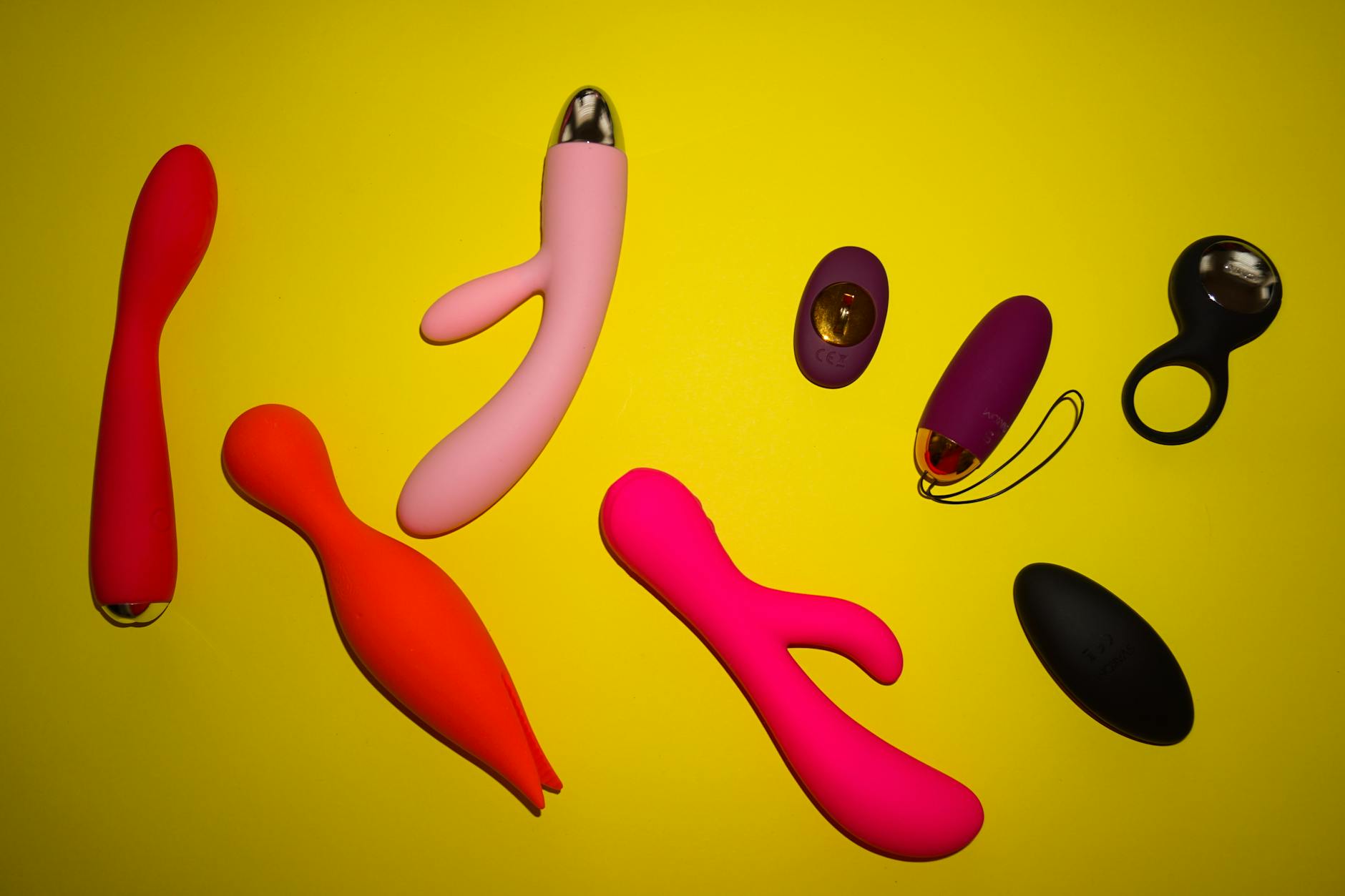
That's where lemon vibrators change the game. Not because they're magic, but because the suction-and-pulse technology works in a fundamentally different way than fingers or traditional vibrators when your nerves are waking up from trauma. Let me walk you through why, and how to use them safely in recovery.
Why post-surgical numbness happens
During pelvic surgery, even minimally invasive procedures, surgeons work near delicate nerve bundles. Some numbness is temporary. Nerves slowly regenerate over weeks or months. Some is longer-lasting, because scar tissue can interfere with nerve signals even after the initial healing is done.
There's also a psychological layer: your brain learned pain during recovery, and it's protective about that area now. Touching it triggers a defensive response before pleasure even gets a chance.
The clitoris has roughly 8,000 nerve endings concentrated in a tiny space. Even partial numbness feels like complete loss because the density is so high. You're not broken. You're just working with a nervous system that needs a different approach.
How lemon vibrators work differently on numb tissue
Traditional vibrators send high-frequency buzz straight into tissue. If you're numb, that often feels like buzzing against a numb tooth. Unpleasant. Frustrating. Pointless.
Lemon clitoral vibrators use air-pulse suction. That means they create a gentle rhythmic pressure that pulls tissue upward, rather than pushing vibration into it. Here's why that matters for recovery:
First, suction activates different nerve pathways than direct vibration. You might not feel a traditional vibrator at all, but you'll feel suction because it engages deeper sensory receptors that aren't as damaged by surgical trauma.
Second, suction is gentler on healing or scarred tissue. You're not grinding vibration into an area that's already tender.
Third, the sensation is broader and more distributed. Instead of a point of intense stimulation, you get a wave of pressure that your nervous system can process more easily when it's still in recovery mode.
The timeline: when to start, how to progress
Don't use any vibrator until you have clearance from your surgeon. Most pelvic surgeries require 4-6 weeks before any internal or external genital contact. That's not arbitrary. Tissue needs time to seal and start remodeling.
Once you're cleared, start with curiosity, not expectation. Week one might just be holding a lemon vibrator near the area without turning it on. Let your nervous system remember what touch feels like in that space without the pressure of "making it work."
Week two, try it on the lowest setting, but don't press it directly on your clitoris yet. Use it on the inner labia or just above, where sensation might be less affected. You're teaching your nervous system that this device is safe.
Week three, if that feels okay, bring it to your clitoris on the lowest setting. Don't hold it there. Move it in small circles. The motion helps activate more nerve endings than static pressure would.
Week four and beyond, you can start exploring higher settings and longer sessions. But here's the key: if numbness is severe, this timeline might stretch to 8-12 weeks. That's not failure. That's healing.
What to actually expect in early recovery
Many people describe coming back to sensation in stages. First, you notice pressure you couldn't feel before. That's not pleasure yet. That's just nerve endings waking up.
Then come weird sensations. Tingling. Mild pain that's different from surgical pain. Shooting feelings. These are normal. Your nervous system is reorganizing. This typically passes within weeks, but if it's severe or ongoing, mention it to your doctor.
Pleasure usually comes last, not first. You might get 30% sensation back before anything feels remotely good. That's when patience becomes crucial. You're not broken because you can't orgasm yet. You're literally regrowing nerve function.
Some people report that sensation comes back differently than before. A different type of pleasure. A different pace. That's not permanent. As healing continues, variations often smooth out. But in the first months, "different" is normal.
Making lemon vibrators work in your relationship
If you have a partner, this is a conversation, not a surprise. Tell them: "My sensation is coming back slowly. I need us to approach this together, without pressure." That one sentence prevents resentment and anxiety from taking over.
You might use a lemon clitoral vibrator during partnered sex, or you might use it alone first to avoid the performance pressure. Both are valid. Some partners find it helpful to be involved. Others find it easier to sit with you while you explore, without making it about them.
The goal isn't to get back to pre-surgery pleasure as fast as possible. The goal is to rebuild sensation safely and reconnect with your body without fear. That sometimes means leaving your partner out of early exploration.
When to see a pelvic floor specialist
If numbness hasn't improved after 12 weeks of gentle exploration, or if it's gotten worse, ask your surgeon for a referral to a pelvic floor physical therapist. They can assess whether scar tissue is interfering with nerves and help break it down safely.
They might also recommend trigger point release or other hands-on techniques that prepare tissue for vibrator use. Some people need this step before a lemon vibrator feels like anything at all.
Similarly, if pain accompanies sensation loss, don't power through. Post-surgical pain during touch can mean scar tissue is limiting movement or nerves are still very inflamed. Physical therapy can help. A vibrator won't fix it alone.
The patience piece (and why it matters)
Recovery from pelvic surgery is not linear. Some days sensation feels better. Some days it vanishes again. This is frustrating and completely normal. Your nervous system is healing. Healing isn't a straight line.
Use a lemon vibrator not as a test of whether you're "back to normal," but as a gentle tool to support that healing. If it feels good, use it. If it doesn't, put it away and try again in a week. Low-pressure curiosity beats desperate attempts.
Your pleasure will come back. It might take months. It might feel different. It might surprise you. But numbness after surgery isn't permanent, and lemon vibrators are one of the best tools for waking sensation safely because they work with your healing nervous system instead of against it.
People also ask
How long after surgery can I use a lemon clitoral vibrator?
Wait until your surgeon clears you for sexual activity, typically 4-6 weeks post-op. Even then, start very gently on low settings. Don't use it internally or with direct pressure until you've had a few weeks of gentle external exploration. If your procedure was particularly extensive or you're experiencing complications, your timeline might be longer. Ask your surgeon specifically about vibrator use, not just "sexual activity."
Can numbness after surgery be permanent?
Complete permanent numbness is rare. Most people recover at least some sensation within 3-6 months as nerves regenerate. That said, some procedures carry higher nerve damage risk. Your surgical type matters. If you had a hysterectomy, numbness risk is lower than with extensive endometriosis excision. Talk to your surgeon beforehand about nerve risk, so you know what to expect.
Will a lemon vibrator help my sensation come back faster?
Not directly. Nerve regeneration happens on its own timeline. What a lemon vibrator does is help you access returning sensation more easily because suction activates different neural pathways than direct vibration. It also helps you stay connected to your body during recovery instead of withdrawing from it. That psychological piece matters because fear and disconnection can slow your sense of what's already healing.
Is it safe to use lemon vibrators if I have scar tissue from surgery?
Generally yes, but with caution. Suction is gentler on scarred tissue than traditional vibration. Start on the lowest setting and avoid pressing directly onto areas where you can feel scar tissue. If you experience sharp pain (different from normal healing soreness), stop and wait. If scar tissue is very thick or restricting movement, see a pelvic floor specialist before using any vibrator. They can assess whether it's safe for you specifically.
Should I use a lemon vibrator alone or with my partner during post-surgical recovery?
Start alone. That removes performance pressure and lets you focus purely on sensation. Once you feel comfortable and sensation is returning, involving a partner can be helpful. But there's no timeline for that. Some people prefer to recover alone. That's okay. Do what feels emotionally safe.
What if a lemon vibrator still feels like nothing after weeks of use?
Don't panic. Numbness severity varies wildly. If you're past week 12 and still getting no sensation, mention it to your surgeon or ask for a pelvic floor PT referral. They might identify scar tissue restriction or nerve involvement that needs hands-on work before vibrator use feels like anything. Sometimes you need that therapeutic layer first.