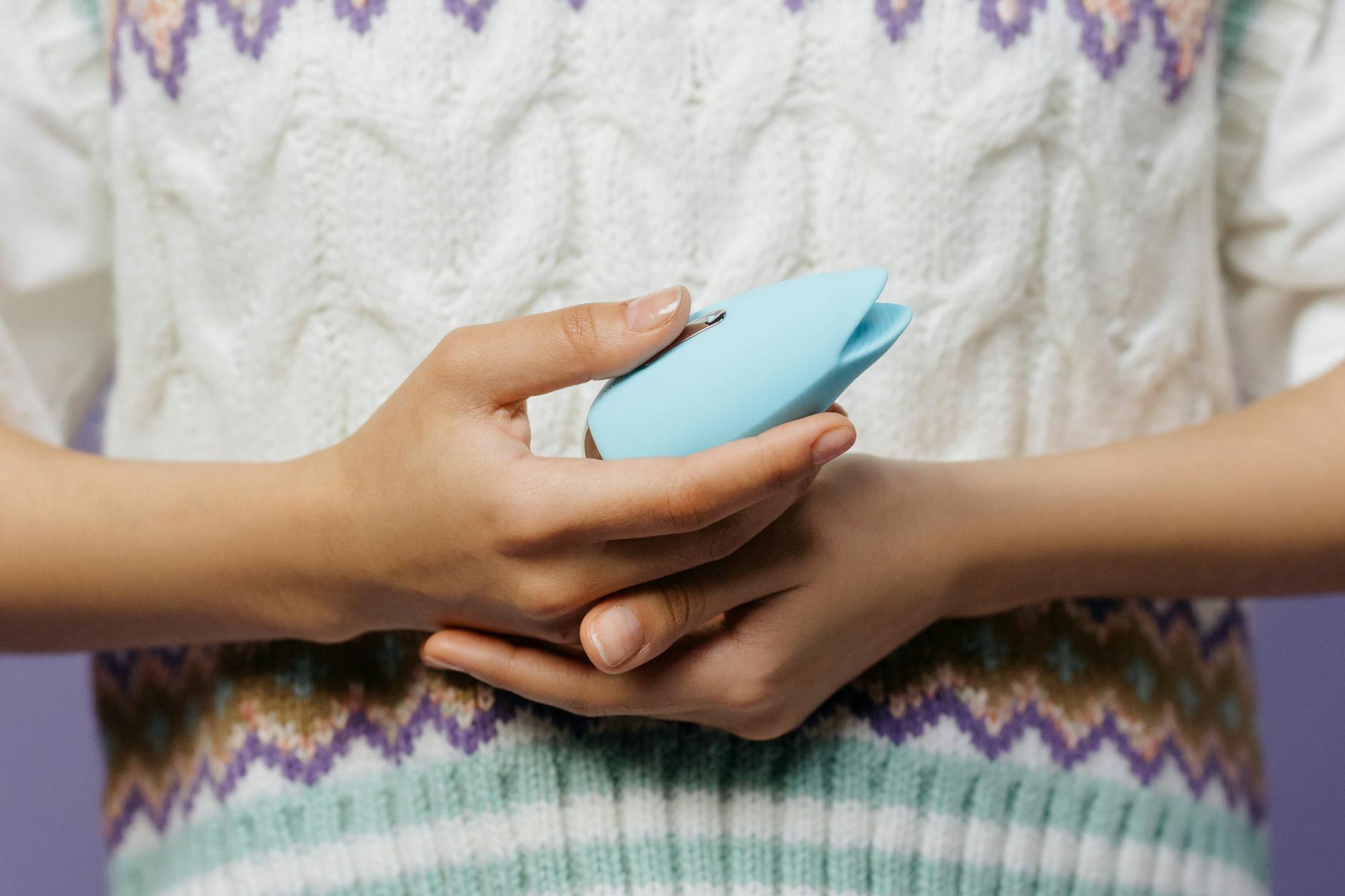
How to Use Lemon Vibrators When Sensation Changes After Postmenopause
Here's the thing about postmenopause and pleasure: it doesn't end. But it changes. And that's not a failure on your body's part—it's a pivot.
After menopause officially ends (12 months without a period), estrogen levels stabilize at a new low. This is different from perimenopause's hormonal rollercoaster. The tissues in your vulva, vagina, and clitoris have adapted to these lower hormone levels. Sensation shifts. Arousal takes a different path. Orgasms often feel different in quality, not capacity.
The good news? Many people report their best orgasms happen after menopause, especially when they understand what their body needs now and use tools designed to work with—not against—these physical changes.
What actually changes with postmenopausal tissue
When estrogen drops and stays low, three things happen to the tissue:
First, the vulvar and vaginal tissue becomes thinner and drier. This isn't a pathology—it's normal biology. Thinner tissue is more sensitive in some ways, less responsive in others. Direct pressure can feel overwhelming or uncomfortable, while gentle suction often feels perfect.
Second, blood flow to the clitoris changes. Arousal takes longer to build because the body needs more time to create engorgement. This means the warm-up period that used to be five minutes might now be fifteen. This isn't broken. It's just the rhythm your body has.
Third, the clitoral glans (the external tip) may recede slightly. This means it's less accessible to direct touch but actually benefits more from air-suction techniques like those in the Lem vibrator. The suction creates a seal and stimulates the entire clitoral complex—not just the tip.
What does NOT change: your nerve density, your brain's capacity for pleasure, or your ability to have intense orgasms. These remain the same.
Why air-suction clitoral vibrators work better for postmenopausal bodies
Most vibrators rely on vibration or direct friction. For postmenopausal tissue, this can feel too harsh. Air-suction stimulation—like the technology in the Lem—works differently.
Instead of vibrating against tissue, air-suction toys create a gentle vacuum that pulses. This stimulates the entire clitoral structure without requiring direct pressure. Think of it less like a vibration and more like a rhythmic massage that doesn't require friction.
This matters because postmenopausal tissue benefits from broader, gentler stimulation. The suction technology adapts to your body's contours and builds sensation gradually, which matches how arousal actually happens for many people after menopause.
You're not fighting your body's new response pattern. You're working with it.
The warm-up you actually need now
One of the biggest shifts is how much time arousal takes. This often feels like "something's wrong," but it's just different.
Budget 20-30 minutes for foreplay before introducing a toy. This isn't wasted time—it's when your nervous system relaxes and blood flow increases. Start with touch, kissing, or whatever used to lead you toward arousal. Let that happen for a while.
When you introduce the Lem or another lemon clitoral vibrator, start at the lowest intensity setting. Many people move through settings too quickly and then feel frustrated that nothing "works." Your tissue needs time to respond at lower intensities.
If you're partnered, separate this conversation from the "Is there something wrong with our sex?" conversation. These are two different topics. The physical shift is real. The emotional connection is separate. Confusing them creates unnecessary pressure.
Lubrication becomes more relevant, not optional
Some postmenopausal people produce adequate natural lubrication with enough arousal time. Others don't. Both are normal.
If you need lube—and many people do—use water-based formula. It's compatible with all toy materials and feels less sticky than many silicone lubes. The benefit is real: lube reduces friction on thinner tissue and often makes sensation feel less intense (in a good way, not a bad way).
Reapply lube if you're going longer than 15 minutes. Your body will tell you when.
What to expect from your first experience
When you first try the Lem or another lemon clitoral vibrator after noticing sensation changes, expect a short learning curve.
The first time, your body is learning what this pattern feels like. Orgasm might be harder to reach or feel different in intensity. This is normal. Your nervous system is getting used to a new input.
Second time, usually easier. By the third time, you'll have a good sense of what intensity and rhythm work for your body now.
If nothing happens after three attempts, don't assume it's broken. You might need more warm-up time, different positioning, or a mental reset about what pleasure "should" feel like. Many people find that reconnecting with sensation after hormonal shifts requires more than just a new toy—it requires permission to explore differently.
Positioning and pressure matter more now
The angle and pressure you use makes a bigger difference after menopause.
Direct-on-top positioning often feels too intense on thinner tissue. Try positioning the toy at a slight angle, or hold it so the opening faces slightly away from your body rather than directly on the clitoris. This diffuses the sensation and often feels better.
For pressure: let the toy do the work. You don't need to push it into your body. Air-suction stimulation creates its own seal. Light, steady positioning usually outperforms pressing hard.
If something hurts, stop. Pain is information. It's not "just part of aging." If pain continues, it's worth talking to a gynecologist who understands postmenopausal sexuality. Clitoral sensitivity that's become painful or numb deserves professional attention.
Expanding beyond "just orgasm"
Many postmenopausal people notice they're chasing a specific orgasm feeling from their 30s or 40s. This is worth letting go of.
Orgasms after menopause often feel different: sometimes more internal, sometimes more localized, sometimes more diffuse. Different doesn't mean worse. It's just a different sensation.
Consider using the Lem or other lemon sexual toys for pleasure and connection rather than orgasm as the goal. Twenty minutes of enjoyable sensation, even without orgasm, is still valuable. This shift alone often makes partnered sex better because there's less pressure.
If you're exploring solo, this freedom is enormous. You get to define what "good" feels like now, not what it felt like 20 years ago.
When something's genuinely wrong (versus just different)
Postmenopausal sensation changes are normal. Pain during stimulation is not.
If the tissue feels painful, raw, or like it's tearing, that's genitourinary syndrome of menopause (GSM), and it's treatable. Topical estrogen creams, vaginal moisturizers, or other interventions can transform the experience in weeks. Talk to your doctor.
If you have zero desire and it's not returning, that's worth exploring too. Sometimes it's hormonal, sometimes it's relationship-based, sometimes it's medical. A gynecologist who specializes in postmenopausal health can help.
If arousal takes 45-60 minutes even with dedicated warm-up time and toys, that's also worth mentioning. Testosterone therapy, medication review (some antidepressants and blood pressure meds affect arousal), or other interventions might help.
None of this is shameful or abnormal. It's your body asking for information.
Building pleasure back into your life after sensing the shift
Postmenopause is not a deadline for pleasure. It's often the beginning of a richer chapter because the pressure drops.
You're not performing for anyone else's timeline. You're not managing fertility or hormonal cycles. You can finally explore what you actually want without those layers.
This is the time to experiment with lemon clitoral vibrators, different toys, different partners or solo time, different positions, different environments. The physical shift gives you permission to rethink the whole thing.
FAQ: Sensation Changes and Lemon Vibrators After Postmenopause
Why does my clitoris feel less sensitive after menopause even though I'm using the Lem vibrator?
Clitoral sensitivity absolutely changes with estrogen levels. Lower estrogen means less blood flow and thinner protective tissue. This can make the clitoris feel less responsive to direct touch. Air-suction vibrators like the Lem actually work better for this exact reason—they stimulate the entire clitoral complex rather than just the external tip, and many people find suction gentler on delicate tissue. If numbness is extreme or accompanied by pain, talk to your doctor.
How long should arousal take after postmenopause?
There's no standard. For some people, 10-15 minutes. For others, 25-30 minutes. This is completely normal and becomes your new rhythm. Instead of fighting it, plan for it. Extended foreplay is a feature, not a bug. You get longer to enjoy connection and sensation-building without pressure to "get to it."
Can I still have orgasms with the Lem after menopause?
Yes. Most people do, though the feeling might be different. Orgasms after menopause are often less full-body and more localized, or vice versa. They might require more time to build or feel differently in intensity. All of this is normal. The capacity is there. The pathway is just different.
Is vaginal dryness permanent after menopause?
Not necessarily. Some people experience ongoing dryness; others find that with consistent arousal and time, their body produces adequate lubrication again. Water-based lube removes the guesswork either way. If dryness is severe or painful, moisturizers designed for this (not regular lotions) can help between sessions, and your doctor can discuss other options.
Should I use a different Lem setting after menopause than I did before?
Most people find they prefer lower settings after menopause. This isn't because sensation is broken—it's because thinner tissue is more sensitive to intense vibration. Start at the lowest setting and work up. You might find that setting 2 or 3 on the Lem is actually more pleasurable than setting 5 ever was, because it's not overwhelming your tissue.
How do I know if my sensation changes are normal versus a sign of something medical?
Normal: increased warm-up time, different orgasm sensation, needing lube, initial pleasure-building taking longer. Not normal and worth reporting: pain, bleeding, severe dryness that doesn't improve with lube or moisture, complete loss of sensation, or loss of desire accompanied by other symptoms (mood, energy, sleep changes). Your postmenopausal body deserves the same attention you'd give any other health shift.
The bottom line
Postmenopause changes pleasure. It doesn't erase it. Understanding what's actually happening—thinner tissue, longer arousal time, different orgasm sensation—makes space for a new kind of good sex.
Air-suction lemon clitoral vibrators like the Lem work with this biology rather than against it. They're gentler on tissue, they build sensation gradually, and they often feel better than traditional vibrators for postmenopausal bodies.
Give yourself permission to explore this new terrain. The pleasure you find here might be the best you've experienced.