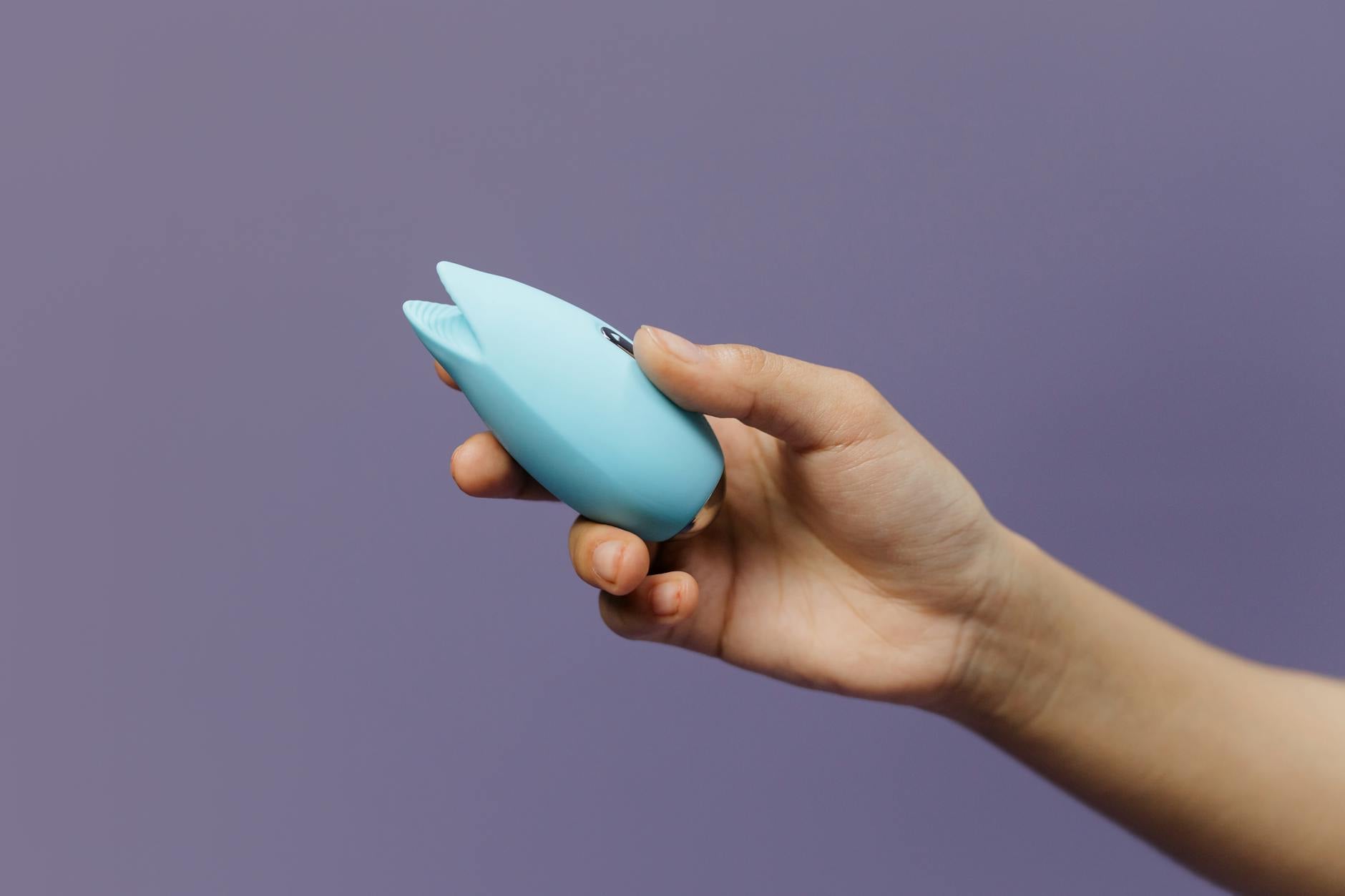
Let's be real about overstimulation
You want to feel good. You buy a clitoral vibrator. Then it's... too much. Like someone turned the volume up to 11 and left it there. Your body tenses up, the sensation stops feeling pleasurable and starts feeling like static, and suddenly the whole thing feels like work instead of play.
This is not a problem with you. It's actually incredibly common, especially if you're new to vibrators or if your nervous system runs hot. The good news: it's completely fixable.
Why overstimulation happens (and it's not your fault)
Clitoral tissue is wildly sensitive. We're talking about thousands of nerve endings concentrated in a small area. A lemon vibrator like the air-suction design delivers focused, consistent stimulation that's way different from manual touch. Your body can literally hit a ceiling where more intensity stops feeling good and starts feeling numb or almost painful.
Three things usually combine to create overstimulation:
1. Starting too high. Most people grab their vibrator, hit the highest setting, and wonder why it feels janky. Your nervous system hasn't ramped up yet. It's like blasting a song at full volume instead of easing it in.
2. Not taking breaks. Continuous stimulation fatigues the nerve endings. The sensation flattens. You keep pushing, thinking you need more intensity, when actually you need a pause.
3. Tension in the pelvic floor. When vibration feels overwhelming, your body automatically clenches. This creates more pressure, which makes it feel more intense, which makes you clench more. It's a feedback loop that kills pleasure.
Start ridiculously low
Here's the non-negotiable: use the lowest setting first. Not "low," but the absolute minimum. On a lemon vibrator or any clitoral vibrator, this might feel like almost nothing. That's exactly the point.
Spend 5-10 minutes at level 1. Feel what your body is actually responding to without the noise of intensity. You might notice that at this level, you can feel the suction pattern or vibration texture instead of just overwhelming stimulation. That texture is information. Your nervous system is learning.
Once level 1 stops feeling novel, move to level 2 for a few sessions. Then level 3. This isn't boring. It's you building tolerance and sensitivity at the same time. You're training your body to distinguish pleasure at different intensities instead of treating everything above "off" as too much.
The pause strategy
Continuous stimulation is the enemy here. Instead, treat vibrator use like music with rests. Five minutes on, thirty seconds off. Let your nervous system reset. Notice what's happening in your body during the pause. Are you relaxing? Does the sensation feel fresh when you come back?
This isn't stopping because something's wrong. It's rhythm. Many people find that breaking up stimulation actually makes orgasms feel more intense, not less, because the contrast sharpens sensation.
If you're working toward orgasm, the pause pattern also gives you control over timing. Instead of racing to climax at max intensity, you're building arousal in waves. Orgasms that arrive this way often feel deeper and more satisfying.
Angle and position matter more than intensity
One of the biggest mistakes people make is thinking overstimulation means they need a less powerful toy. Sometimes the fix is simpler: changing where and how the toy touches.
Instead of direct contact on the most sensitive part of your clitoris, try angling the lemon vibrator slightly to the side or at the hood. Experiment with how much pressure you're applying. You might find that lighter contact at a higher setting feels better than heavy pressure at a low setting.
Position changes everything. Lying on your back is different from on your side, which is different from sitting up. Your body's relationship to stimulation changes with angle. If one position makes it feel overwhelming, try another.
Pelvic floor release is underrated
When vibration feels too intense, people often blame the toy. What's actually happening is your pelvic floor is bracing. It's protecting you from something that feels too overwhelming.
Before you use your lemon vibrator, spend two minutes just breathing and consciously relaxing your pelvic floor. Imagine letting everything down there soften. On the exhale, release more. This isn't complicated, but it changes everything about how sensation feels.
During stimulation, keep checking in. Are your thighs, glutes, or belly muscles tense? Relax them. Tell yourself it's okay to let the sensation happen without holding on. This sounds woo-woo, but it's neurology. A relaxed pelvic floor can tolerate and enjoy sensation that feels overwhelming when you're clenched.
Build arousal before turning it on
Most overstimulation happens because people jump straight to the toy. Your body hasn't ramped up yet. Arousal is like warming up an engine. If you go from off to racing, everything feels jarring.
Spend 10-15 minutes touching yourself without the vibrator first. Build some arousal, get some blood flow down there, let your nervous system know something pleasurable is happening. Then introduce the lemon vibrator at the lowest setting. Your body will respond completely differently.
This makes a huge difference for solo play, but it's also true with a partner. If you're using a clitoral vibrator together, don't skip the foreplay. The toy is more like the final crescendo than the opening act.
When you might need to dial back expectations
Some bodies genuinely need lighter stimulation, and that's fine. Not everyone needs or wants intense orgasms. Some people have deeper pleasure in slower, gentler sensation.
If you've tried the lowest settings, you've built arousal beforehand, you've used the pause strategy, and it still feels like too much, your body might be telling you the truth: you prefer a different kind of toy, or you prefer manual touch, or you prefer very gentle vibration over suction. Listen to that. Your pleasure doesn't have to look like anyone else's.
The Lem Vibrator has a good range of settings precisely because people's nervous systems vary wildly. If lower levels work better for you, that's not settling. That's knowing yourself.
Managing sensitivity over time
One weird thing that happens: if you use the same vibrator at the same intensity frequently, sensation can fade. Your body gets used to it. This isn't desensitization in the clinical sense. It's just adaptation.
The fix is easy: vary your routine. Use different settings. Take breaks between sessions. When you come back after a few days, sensation feels fresh again. You don't need to keep buying new toys or chasing higher intensity. You need rhythm.
Some people find that using their lemon vibrator just 2-3 times a week keeps sensation sharp better than daily use. Experiment. There's no right frequency. There's just what works for your body.
When to check in with yourself (or a partner)
If overstimulation is paired with numbness, pain, or feeling disconnected from your body, that's worth noticing. How to Use Lemon Vibrators When Sensation Feels Flat or Numb goes deeper into that territory.
If you're using a vibrator with a partner and overstimulation is happening, talk about it directly. "This feels like too much" is not a critique of them or the toy. It's useful information. How to Use Lemon Vibrators to Build Arousal Gradually With a Partner has strategies for dialing this in together without awkwardness.
Overstimulation often gets framed as a solo problem, but it's just as common during partnered play. The same principles apply: start low, take breaks, stay communicative.
The longer view
Building a sustainable relationship with clitoral vibrators takes patience. You're not supposed to jump to maximum intensity and stay there. You're learning your body's actual range, which is way bigger than most people realize.
Start low. Pause frequently. Release tension. Build arousal first. Vary your approach. These aren't rules. They're just practices that work. Your lemon vibrator isn't supposed to overwhelm you. It's supposed to feel good.
People also ask
Can you permanently damage your clitoris by using a vibrator on too high a setting?
No. Vibrators don't cause permanent nerve damage. Temporary numbness or overstimulation happens, but it resolves with rest. The clitoral tissue is tough. What matters is listening to your body and not pushing past discomfort. If something hurts or feels wrong beyond "too intense," stop and let sensation settle. If pain persists, talk to a healthcare provider. But casual overstimulation is not dangerous.
How long does it take to build tolerance to vibrator intensity?
It varies wildly. Some people find that starting at level 1 and spending a week there before moving to level 2 works beautifully. Others prefer progressing faster. There's no timeline. The goal is not to "build up" to maximum intensity. The goal is to find what actually feels good and sustainable. Many people plateau at level 2 or 3 and stay there happily. That's fine.
Is it bad to use your vibrator every day?
Daily use doesn't cause damage, but it can flatten sensation for some people. If you're noticing that your vibrator feels less intense over time, taking a break for a few days usually fixes it. Listen to your body. Some people do great with daily play. Others prefer a few times a week. Consistency matters less than pleasure.
Can overstimulation be a sign of anxiety?
Sometimes. If you're generally anxious and your nervous system runs hot, overstimulation during vibrator use might be part of that pattern. But overstimulation can also just be a sensitivity thing unrelated to anxiety. How to Use Lemon Vibrators When Anxiety Blocks Arousal Before It Starts digs into the anxiety piece specifically. If you suspect anxiety is getting in the way, starting at extremely low intensity and building arousal beforehand helps separate the two.
Do different lemon vibrators feel different, or is it just about the setting?
Vibrators vary. A lemon clitoral vibrator like the Lem uses air-suction technology, which is different from traditional bullet vibrators. Some people find suction feels less intense than direct vibration, even at the same power level. Other toys have different patterns and textures. What feels overwhelming on one toy might feel perfect on another. If one clitoral vibrator consistently feels like too much, trying a different design or brand is worth it.
Can you use a vibrator when you're already sensitive or sore?
No. If your clitoris or vulva is sore, swollen, or tender, give it a break. Vibration on irritated tissue just creates more irritation. Let things calm down first. This might mean a few days without any genital stimulation. That's not lost time. It's you taking care of yourself.
The real takeaway
Overstimulation isn't a failure. It's feedback. Your body is telling you something about what works and what doesn't. Start at the lowest setting. Build arousal first. Take breaks. Relax your pelvic floor. Experiment with angle and pressure. Pay attention to what feels actually good instead of chasing intensity. That's how you build a sustainable relationship with lemon vibrators and pleasure on your terms.
If you're still struggling or if overstimulation is showing up alongside other pleasure challenges, reach out. There's no such thing as too sensitive or too particular. There's just you learning yourself better.