The numbness after heartbreak is real
Heartbreak doesn't just hurt emotionally. It colonizes your body. Your nervous system goes into protection mode. Pleasure becomes hard to access. Even when you're ready to feel good again, your body has to be persuaded. It's not laziness or frigidity. It's trauma, and it's temporary.
The good news: lemon vibrators and intentional self-touch can rebuild that connection faster than you think. Not because they're magic, but because they work with your nervous system instead of against it.
Why pleasure disappears after heartbreak
When a relationship ends, especially one that involved physical intimacy, your body is left without its usual source of touch and validation. For many people, sex was bundled with love, safety, and approval. When the relationship breaks, all three do too. Your nervous system interprets this as threat.
That threat response does predictable things. Arousal takes longer to build. Sensation feels muted or distant. Touch that used to feel good might feel uncomfortable or triggering. Your clitoral tissue gets less blood flow because you're in low-grade fight-or-flight. Desire either disappears entirely or feels tangled up with anxiety and grief.
Here's what matters: this is not a character flaw. This is not permanent. Your pleasure capacity hasn't changed. Your nervous system has just temporarily forgotten how to access it.
Starting with the right tool
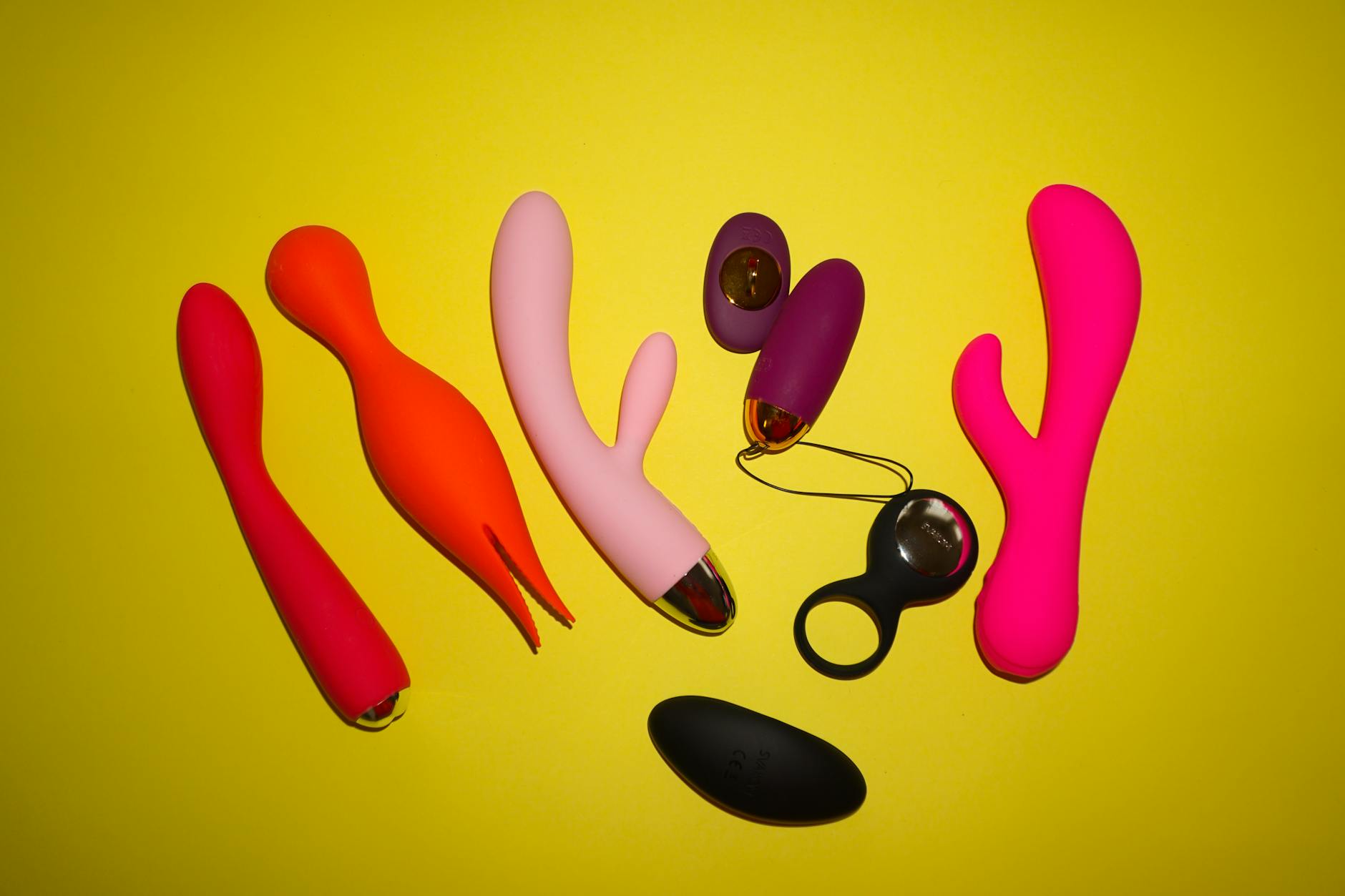
Lemon vibrators work particularly well for post-heartbreak pleasure because they don't require the same vulnerability as other toys. The suction technology is forgiving. It builds sensation gradually. You're not waiting for your body to produce wetness or arousal before the tool starts working. The device does the work of creating sensation, which gives your nervous system permission to relax and respond.
That matters. A lot of post-breakup self-pleasure fails because you're waiting for your body to cooperate before you feel like you deserve pleasure. A well-designed lemon clitoral vibrator reverses that order. It creates sensation first. Your nervous system catches up.
The three-phase approach to rebuilding pleasure
Phase one: touch without expectation. Spend three to five sessions just holding the lemon vibrator against your body with the device off. Let your skin get used to the temperature, the shape, the weight. This sounds almost absurd, but it's essential. Your nervous system needs to learn that the toy is not a threat. It's neutral. It belongs to you alone. No performance. No goal. Just touch.
Phase two: low-intensity exploration. Turn on the device at the lowest setting. Keep it there for five to ten minutes without moving it, without trying to build toward anything. Notice what sensations appear. Tingling, warmth, surprise, numbness, nothing at all. All of it is information. If nothing happens, that's not failure. That's your nervous system still coming back online. Repeat this phase for two weeks or longer if you need to.
Phase three: gradual intensity increase. Once sensation starts to register, start moving the device slowly. Vary the patterns. Speed up the vibration gradually. But here's the key: stop before you think you need to. End the session while pleasure still feels like it's building, not after you've reached it. This teaches your body that pleasure is not a destination. It's a direction. And that you can access it on your own terms.
This three-phase approach works because it matches your nervous system's timeline, not your impatience.
Rebuilding trust with your body
Heartbreak damages more than pleasure. It damages trust. You might have ignored warning signs. You might have compromised your boundaries. You might have confused the physical high of sex with emotional safety and gotten lost in that mix.
Now, when you touch yourself, old doubt surfaces. Can you trust your judgment? Can you trust your body's signals?
The answer is yes, but your nervous system needs proof. Self-pleasure with a lemon vibrator provides that proof because there's no other agenda. No one to convince. No performance to deliver. Just you and your own sensations, available without negotiation.
Pay attention to what actually feels good versus what you think should feel good. If a particular pattern on the vibrator doesn't work, try another. If you need more time to warm up, take it. If you want to stop mid-session, stop. Every time you honor what your body actually wants instead of what you think it should want, trust rebuilds a little.
Practical steps for the first week
Choose a specific time when you're not rushed and when privacy is guaranteed. Mornings often work better than nights because grief tends to sharpen in the evening, which makes access to pleasure harder.
Start with fifteen minutes blocked out. No partner, no phone, no audience in your head. Just you in a comfortable space.
Use a water-based lubricant even if you don't think you need it. Post-heartbreak bodies often carry subtle tension that makes vulvar tissue less naturally lubricated. The lube removes friction and builds sensation faster.
If nothing happens sexually, that's fine. The point of phase one is nervous system recalibration, not orgasm. Pleasure is the eventual goal. Connection to your own body is the immediate one.
When to bring a partner back in
Some people use solo pleasure work to rebuild capacity before bringing a partner into the picture. Others are already partnered and using lemon vibrators to reconnect with sensation as a couple. Both timelines are valid.
If you're partnered again, communication matters more than technique. Tell your partner: "I'm rebuilding my relationship with my own pleasure. I need this time to be about me first." A partner who loves you will understand. They might even participate later, but that's secondary.
If you're solo and not sure when to start dating again, wait until pleasure feels accessible without trying. Wait until you can use a lemon vibrator and feel something, even small, without your body locked in protective mode. That's usually the sign that your nervous system has healed enough to share touch with someone else.
The role of pacing and patience
Heartbreak recovery is not linear. Some days, sensation will feel present and rich. Other days, especially around anniversaries or unexpected reminders, you'll feel numb again. That's normal. That's not regression. That's still healing.
If sensation disappears for a week or longer, don't panic. Go back to phase one. Hold the toy. Let your nervous system settle. Then move forward again.
Many of my clients report that lemon vibrators feel less intense after long-term use not because the tool loses power, but because the novelty fades and the nervous system acclimates. If that happens, take a week off from the device. Then come back to it. The sensation will feel fresh again.
A gentle reminder about your worth
Your pleasure matters independent of anyone else's presence or approval. Using a lemon vibrator alone is not a consolation prize while you wait for partnership. It's a form of radical self-respect. It's you saying: I deserve to feel good. I'm worth my own attention. That message, repeated consistently, rewires what heartbreak tried to teach you.
You're not broken. Your body is healing. Pleasure is on the other side of that healing, and it's waiting for you.
People also ask
How long does it take to feel pleasure again after heartbreak?
It varies widely. Some people feel significant improvement within two to four weeks of consistent self-touch. Others need two to three months. The timeline depends on how long the relationship was, how the breakup happened, and what you experienced during the relationship. If the relationship involved any form of sexual or emotional coercion, recovery typically takes longer and often benefits from working with a therapist in addition to pleasure work. Patience with yourself matters here more than any specific timeline.
Can lemon vibrators help if I'm experiencing touch aversion?
Yes, with modifications. If direct touch feels triggering, start with clothes on. Hold the lemon vibrator outside your underwear. Let your body get used to vibration through a layer of fabric. As your nervous system settles, gradually move closer to direct contact. If touch aversion is severe or trauma-related, working with a therapist before or alongside pleasure work usually helps accelerate progress.
Should I use the lemon vibrator even if I don't feel aroused?
Absolutely. In fact, if you wait for arousal to show up before using the device, you might never start. Post-heartbreak bodies often don't produce arousal on demand. The vibrator creates sensation first. Arousal follows. Don't wait for your body to cooperate. Start the collaboration and let it build from there.
What if I reach orgasm but it feels empty?
Empty orgasms are common after heartbreak. Your body is capable of physical release, but the emotional resonance is missing. That's not a sign to stop. It's a sign to slow down. Empty orgasms usually soften and deepen over time as your nervous system heals and touch starts to feel safe again. For now, the point is sensation and rebuilding trust, not the quality of the climax.
Can I use lemon vibrators with a partner while I'm rebuilding pleasure?
Yes. Many people find that using a lemon clitoral vibrator during partnered sex accelerates pleasure recovery because the device does the direct stimulation while you focus on connection and trust. Talk to your partner about what you need. If you're not ready for partnered touch yet, that's valid too. Solo work can come first.
How do I know when I'm ready to date again?
You're typically ready when you can access pleasure solo without it feeling like work, when your nervous system feels settled around touch, and when your thoughts about your ex shift from active hurt to neutral reflection. You don't need to wait for perfect healing. You need your nervous system calm enough that you can be present with another person. Using a lemon vibrator regularly is often an indicator that you're getting there.
Moving forward
Heartbreak is a recalibration. Your nervous system is learning to protect you. Your body is learning that pleasure without partnership is possible. That vulnerability can exist without guarantee. That you are worthy of your own pleasure independent of anyone else's presence.
A lemon vibrator is not a substitute for processing the heartbreak itself. Grief work, therapy, time with friends, journaling. All of it matters. But rebuilding pleasure is a parallel process. It's you telling your body: we survived this. We're still here. We deserve to feel good again.
That message, embodied through consistent self-touch and patience, is often the quickest path back to wholeness.