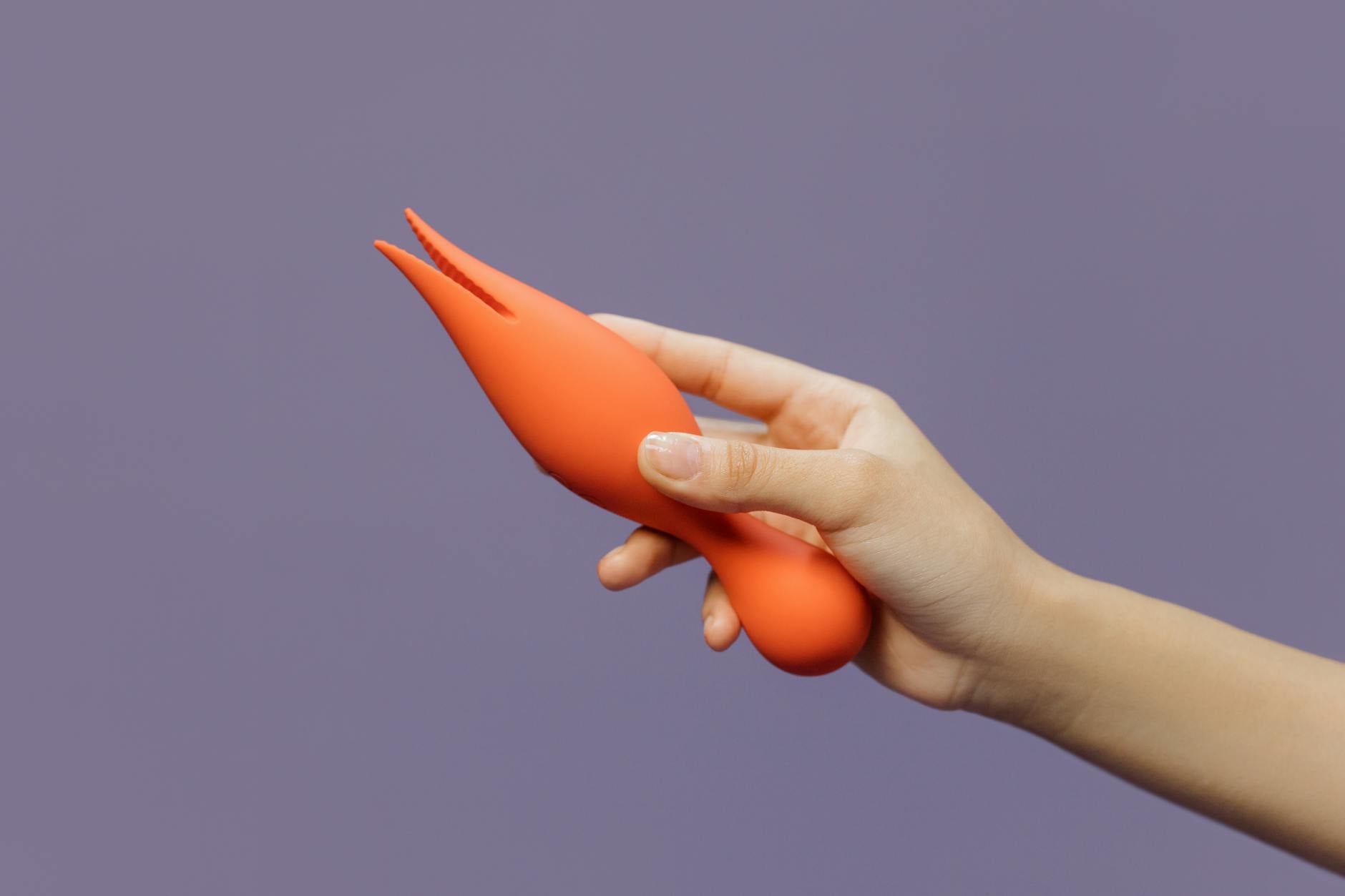
Here's the thing about stress and desire
Stress doesn't just make you tired. It hijacks your nervous system, flooding your body with cortisol, and tells your brain that survival matters more than pleasure. Your libido doesn't disappear because something is wrong with you. It vanishes because your body is protecting you, even when the threat is just work email or family tension.
The good news? That protective response is reversible. And unlike waiting for life to calm down (spoiler: it won't), you can actually rebuild arousal and reconnect with your body right now, even while stressed.
What stress actually does to desire
When you're under chronic stress, your nervous system stays locked in a low-level fight-or-flight state. Arousal requires the opposite: a relaxed parasympathetic nervous system where blood flows to your genitals instead of staying concentrated in your chest and brain. Stress also tanks dopamine and lowers testosterone, both critical for wanting sex in the first place.
Most people think this means they need to eliminate stress before sex becomes possible again. That's backwards. Small, intentional moments of pleasure actually help your nervous system downshift faster than anything else. You don't need stress to be gone. You need to gently remind your body that safety and pleasure are still options.
Why clitoral vibrators work when libido is low
When motivation is gone, friction-based stimulation feels like work. Lemon vibrators and other clitoral suction toys bypass that friction entirely. Suction creates a gentler, less demanding sensation that doesn't require the mental bandwidth or physical effort that traditional vibration sometimes does.
This matters because when your libido is already low, anything that feels like effort kills arousal faster. A lemon vibrator does the heavy lifting for you. It's passive pleasure, which is exactly what a stressed nervous system needs.
Step 1: Schedule it like you schedule therapy
Wait, boring? Yes. Necessary? Absolutely. When stress has tanked your desire, spontaneous sex won't happen because there's nothing spontaneous about a nervous system in overdrive. You need to protect a window where your brain knows pleasure is the agenda.
This doesn't mean robotic or unsexy. It means choosing a time when you're not thinking about three other things. Sunday morning instead of Wednesday night after work. 20 minutes during your lunch break instead of 10 p.m. when you're already fried. Give your nervous system permission to know that this time is safe and dedicated.
Step 2: Do nothing for five minutes first
Don't jump straight to the lemon vibrator. Sit. Breathe. Put your hand on your chest or belly and actually feel your breath move. Five minutes of intentional breathing genuinely shifts your nervous system. This is not woo. This is physiology. Slow exhales longer than inhales literally calm your parasympathetic system.
If your brain is screaming about what you should be doing instead, that's normal. Notice it. Don't fight it. The breathing still works even when your brain is noisy.
Step 3: Start with no expectation of orgasm
This is crucial. When libido is low, chasing orgasm adds performance pressure, which makes stress worse. Instead, use your lemon vibrator just to reacquaint yourself with sensation. Low intensity. Playful. No deadline.
Some people need three sessions of just gentle exploration before orgasm is even possible. Some need ten. The timeline doesn't matter. What matters is that your body learns that pleasure is safe again, separate from obligation or performance.
Step 4: Use lube even if you think you don't need it
Stress shrinks natural lubrication. Your tissues become less responsive. Water-based lubricant isn't a sign something is wrong. It's a simple tool that turns uncomfortable sensation into pleasurable sensation. This is the difference between rebuilding arousal and fighting against your body.
Apply generously. Reapply whenever it feels sticky. Your comfort is the entire point here.
Step 5: Vary intensity intentionally
Lemon vibrators come with multiple settings. When stress has flattened your arousal, start at pattern one or two. Stay there for a while. Let your nervous system get used to the sensation without overwhelm. Only increase intensity when it actually feels good, not because you think you should.
Some days you'll crave stronger sensation. Other days gentler is everything. Both are fine. Your body knows what it needs.
Step 6: Stop before you're frustrated
If you're using your lemon vibrator and nothing is happening after 15 or 20 minutes, pause. This isn't failure. This is information. Your nervous system might not be ready for this type of stimulation yet. Try again tomorrow. Or try solo without a partner present. Or try in the morning instead of at night.
The goal isn't orgasm. The goal is gradually rebuilding the neural pathways between stress and pleasure. That takes time. Frustration damages that rebuilding process.
When stress is relational
If the stress comes from your relationship itself (conflict, disconnection, unmet needs), a clitoral vibrator won't fix that. What it can do is help you rebuild trust with your own body while you and your partner work on the relational piece. Sometimes getting solo pleasure back online actually makes it easier to address partnered issues because you're not layering shame on top of everything else.
If you're in a long-term relationship, you might also experiment with using a lemon vibrator together, keeping it low-key and playful. This can help your partner see it as connection rather than replacement, which lowers the stakes for both of you.
The bigger picture: Stress management plus pleasure
Using clitoral vibrators helps rebuild arousal, but it's one piece. The other pieces are sleep, movement, and honest conversation about what's actually stressing you. A lemon vibrator is a tool, not a cure for burnout. But it is proof that your body is still capable of pleasure, which is often the first thing stress makes you forget.
Most people find that as they gently rebuild pleasure, the shame of low libido loosens too. You stop thinking something is broken. You start understanding it as a temporary nervous system state that you can shift, bit by bit.
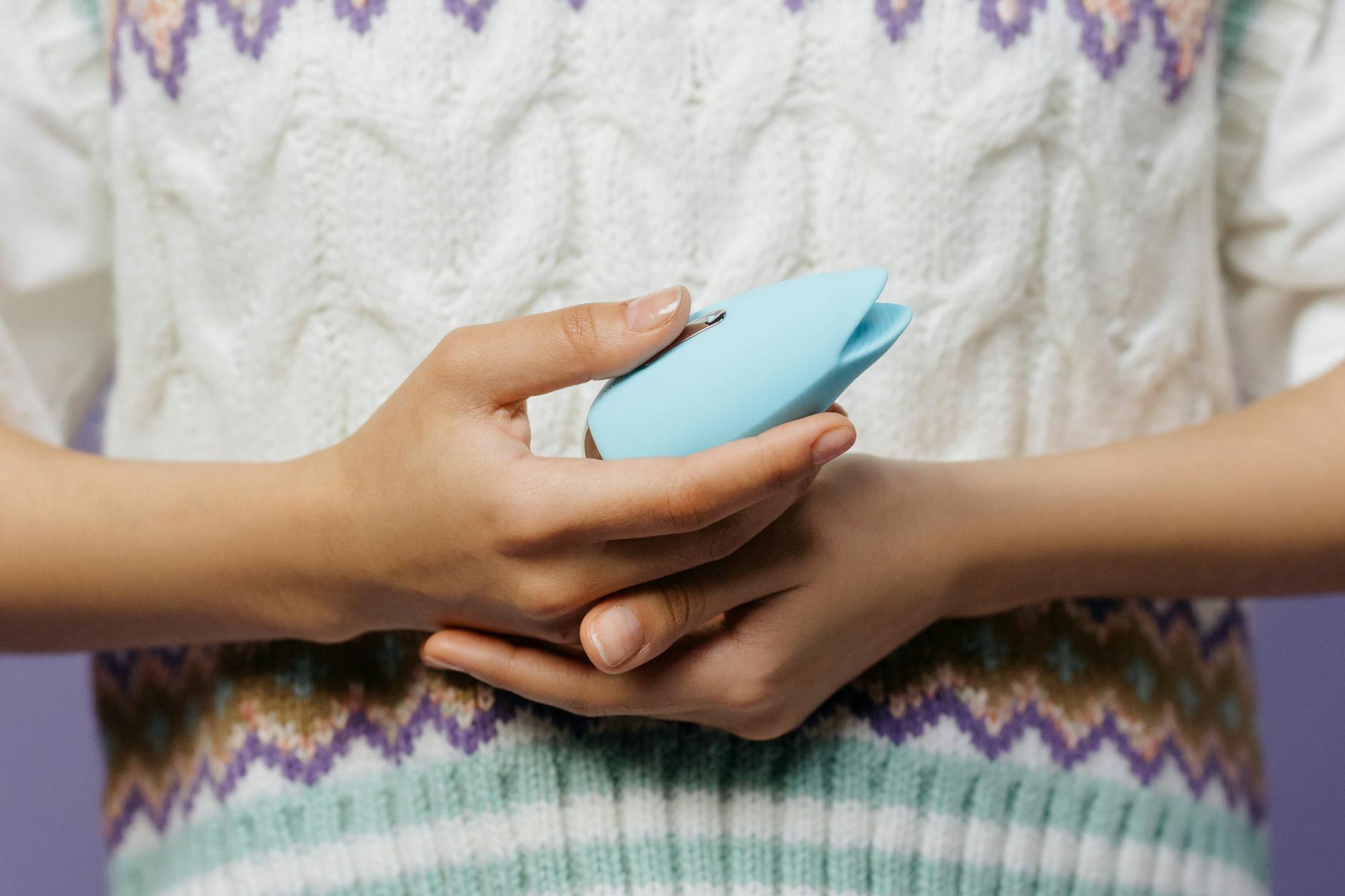
Photo by cottonbro studio on Pexels
Rebuilding desire takes patience
You didn't lose your libido overnight. Chronic stress ate it gradually. Rebuilding it also takes time. But every single session of using a lemon vibrator, even if nothing spectacular happens, is evidence that pleasure is still possible for you. Your nervous system is learning that safety and arousal can coexist.
This is how desire comes back. Not suddenly. Not dramatically. In small, gentle moments of reconnection with yourself.
People also ask
How long does it take for libido to come back after stress?
It depends on the stress and your history, but most people notice small shifts within 2-3 weeks of consistent (even if brief) pleasure-focused time. Significant shifts often take 6-8 weeks. The timeline matters less than consistency. One intentional 15-minute session weekly is better than nothing. Two sessions weekly is better than one. Your nervous system responds to repeated evidence that pleasure is safe, not to intensity.
Can I use a lemon vibrator if I feel nothing down there?
Yes. Numbness under stress is incredibly common. Start with low intensity and light pressure. Let sensation slowly return. Some people find that gentle suction from a lemon vibrator reawakens sensation faster than other stimulation because it's so different from touch. But give it time. Your nerves aren't broken. They're just quiet right now.
Should I tell my partner I'm struggling with low libido?
Eventually, yes. But you don't have to have that conversation immediately. It's okay to rebuild some confidence and sensation alone first using a clitoral vibrator. Then you can approach your partner from a place of clarity about what's happening instead of shame. Frame it as something you're working on, not something they caused. Most partners respond better to "I'm rebuilding my arousal" than "I don't want sex."
What if stress comes back and kills libido again?
It might. That's the nature of stress. But now you know it's reversible. You know clitoral vibrators help. You know the steps. This isn't a one-time fix. It's a tool you return to whenever you need it. The second time is usually faster because your body remembers that pleasure was possible before.
Is using a lemon vibrator replacing my partner?
No. A vibrator is a tool for reconnecting with your own sensation. That's entirely different from partnered intimacy. Many people find that solo pleasure practice actually makes partnered sex better because they're not putting all the pressure on their partner to create arousal that stress has stolen. You're responsible for your own nervous system. Your partner is responsible for theirs. Vibrators help with that clarity.
How do I use a lemon vibrator during partnered sex when I have low libido?
Start slow. Introduce it solo first so it's not new and weird when a partner is present. Then use it together during foreplay without pressure to move forward. Sometimes just having the option takes pressure off. Many people find that using a clitoral vibrator during partnered sex actually reduces performance anxiety because the orgasm feels less dependent on what the partner is doing. That can paradoxically increase connection.
Building pleasure back is building resilience
When you rebuild arousal and pleasure after stress has flattened them, you're not just getting your libido back. You're proving to yourself that your body is responsive, that pleasure is possible, and that you can shift your nervous system even when external stress is still present. Those skills extend far beyond sex. You might also find that rebuilding solo pleasure helps with stress management generally.
Start small. Be patient. Use a lemon vibrator as your tool. Your nervous system will follow.
If you'd like to talk through how stress is affecting your specific relationship or want strategies tailored to your situation, reach out here. Sometimes the work happens with the right support.