Let's name the thing nobody says out loud
You spent 15 years, or 5 years, or even 2 years having sex with a partner. That sex looked a certain way. It had rhythms, someone else's timing, someone else's energy. And now you're alone. Not lonely necessarily. Just solo. And your body doesn't quite remember how to do this by itself.
That's not a failing. That's actually textbook.
Why solo pleasure feels like learning a foreign language
When you've spent years in partnered sex, your nervous system has been trained into a particular pattern. Someone else initiated. Someone else built the intensity. Your job was to respond, to sync up, to meet them halfway. Your arousal became collaborative instead of self-directed.
Now you're the initiator, the pacemaker, the one deciding when faster means faster and when slower means we're not doing this today. That requires a totally different neural pathway. It's not that you've forgotten how to orgasm. It's that your brain has genuinely rewired itself around partnership.
The other part is permission. Solo sex after years of partnered sex can feel like infidelity to some people. Not logically. Emotionally. You might feel like you're cheating on someone who isn't even in your life anymore. That guilt, even when you know intellectually that it makes no sense, is real enough to block sensation.
The mindset shift that changes everything
Here's what I tell clients in my practice: solo pleasure isn't a consolation prize. It's not Plan B for when a partner isn't available. It's a completely different conversation with your body.
When you have a partner, sex is often about connection, about being wanted, about someone else's desire. When you're solo, sex is about knowledge. You get to learn what your body actually wants instead of what works well enough in a partnership. You get to be selfish in the cleanest possible way.
For some people, that's the most powerful sex they've ever had.
But it takes permission. Explicit, deliberate permission. Not the kind you grant yourself one time. The kind you grant yourself every single session until it stops feeling like you're doing something slightly wrong.
Why lemon clitoral vibrators shift the equation
A clitoral vibrator like the Lem works particularly well for this transition because it removes the variable of pressure. When you're relearning your own body, manual stimulation requires you to manage intensity while also managing arousal. That's two conversations at once. A vibrator lets your hands be free. It lets your brain relax into sensation instead of managing mechanics.
The suction pattern on a lemon vibrator specifically mimics the kind of stimulation that builds slowly and consistently. You're not chasing intensity. You're letting it accumulate. For people rewiring their solo response, that consistency is everything. It teaches your nervous system that pleasure can build without chaos, without someone else's agenda speeding things up.

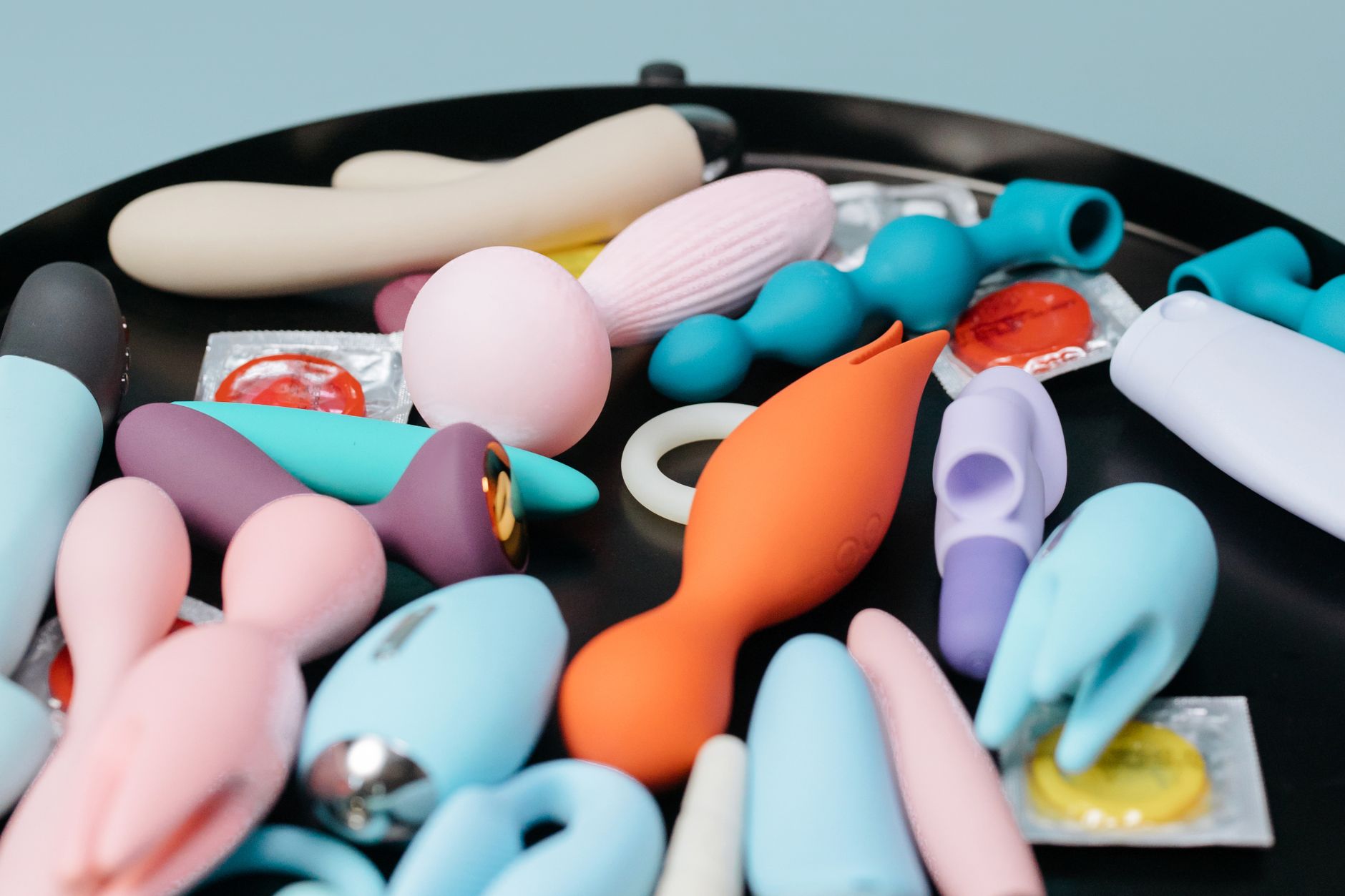
Photo by DRT.fm on Pexels
How to actually start when you're feeling weird about it
First, separate the physical from the emotional. Your body remembers pleasure. Your brain is what's tangled up. Here's the practical version:
Start with touch, not with the toy. Spend 2-3 solo sessions just touching yourself without any device. No goal. No performance. Just your hands, your body, 15 minutes. This is you rebuilding the connection without the weight of expectation.
Then introduce the vibrator at low intensity. Pattern 1 or 2 on the Lem. Let yourself feel what it feels like without chasing orgasm. This is exploration, not execution.
Use the tool to take pressure off yourself. When the vibrator is doing the work, your hands are free. Your mind is free. You can actually notice what you're feeling instead of managing the logistics.
Set a timer. Give yourself 20 minutes, minimum. Solo pleasure after years of partnership often needs more time to unfold. Your arousal doesn't have someone else's energy to syncopate with. It's just you, building, at your own pace.
The guilt conversation (you have to have it)
If you're feeling like solo pleasure is somehow infidelity or rejection of past partnerships, name that. Write it down if you need to. Because that guilt will absolutely sabotage sensation.
Here's what's true: solo pleasure is not a statement about your past relationships. It's not saying they were bad or wrong or that you're angry at your ex. It's just saying that you're an adult with a body and that body deserves to know itself.
If you've been through a divorce or breakup, solo sex might also feel like reclaiming your body. That's healthy. That's actually essential. You need to remember that your pleasure belongs to you, not to a partnership, not to an arrangement.
If you're in a relationship but exploring solo play for the first time, that's different. That's about depth and agency. That's not a rejection of partnership. It's an addition to it.
The timeline nobody talks about
Don't expect fireworks in week one. Seriously. Your nervous system spent years learning one pattern. Rewiring takes time. Some people find that their first solo orgasm after years of partnership feels muted. That's not broken. That's adjustment.
One client told me it took 8-10 sessions before her body fully relaxed into solo sensation. Another found her rhythm in 3. There's no universal timeline. What matters is that you show up, without judgment, and let your body figure out what it needs.
A lemon vibrator helps because it's consistent. It doesn't have bad days. It doesn't get tired or distracted. You can rely on it to do exactly the same thing every session, which means you're learning your own responses instead of managing someone else's.
When to explore partnered play again (if you want to)
Once you've rebuilt your solo response, partnered sex looks completely different. You know what you want now. You know what your body does when it's building sensation. You can actually ask for things instead of just accommodating.
Some people find that solo play and partnered sex never come back together, and that's fine too. Solo pleasure becomes its own thing. A ritual. A way of taking care of yourself. Not a substitute for partnership. Just a parallel life.
The key shift is that you're no longer waiting for someone else to unlock your pleasure. You did that yourself. That changes everything about how you show up in any sex, partnered or solo.
FAQ: Solo Pleasure and Clitoral Vibrators
Is it normal to feel weird about solo pleasure after years of partnered sex?
Completely. Your nervous system literally reorganized itself around partnership. You trained yourself to sync with someone else's energy. Returning to solo play requires your brain to rewire. Feeling awkward, guilty, or disconnected is part of the process, not a sign that something's wrong.
How long should I wait to use a vibrator if I'm just starting?
I'd suggest 2-3 solo sessions with manual touch first. That reconnects you with your own body before you add a tool. Once you do introduce a lemon clitoral vibrator, start at the lowest intensity and let yourself explore without a goal. Patience compounds here.
Can using a vibrator make partnered sex feel less appealing?
No. Actually the opposite. When you know your own response, you can communicate it better to a partner. You're more present because you're not guessing what you need. Many people find that solo exploration deepens their partnered sex, not replaces it.
What if I orgasm faster alone than I ever did with a partner?
That's actually really common. Without the variable of managing someone else's energy, your body can focus entirely on your own sensations. Some people interpret this as their body being "broken" during partnership. It's not. It's just that you now have a baseline for what your body can do when there's no external sync required.
Should I feel guilty if I prefer solo pleasure to partnered sex?
No. Preference is information. If solo pleasure is consistently more satisfying, that tells you something about what you need. Maybe partnered sex needs more foreplay. Maybe you need to communicate differently. Or maybe solo pleasure is just a better fit for this chapter of your life. All of those are valid.
Is a lemon vibrator really better for this than any other toy?
The suction pattern on a lemon clitoral vibrator builds sensation gradually and consistently. That matters when you're retraining your nervous system. You're not chasing intensity or managing multiple variables. You're just letting arousal accumulate. For solo pleasure after partnership, that consistency is genuinely helpful.
The thing about coming back to yourself
Solo pleasure after years of partnered sex isn't about filling a void. It's about remembering that you were a complete person before partnership, and you still are. Your pleasure belongs to you. Your body has its own wisdom. A lemon vibrator is just the tool that gets you out of your own way so you can listen to what your body's been trying to tell you all along.
If you're struggling with the transition or need more guidance on navigating solo and partnered pleasure, I'm here to talk. Reach out anytime.