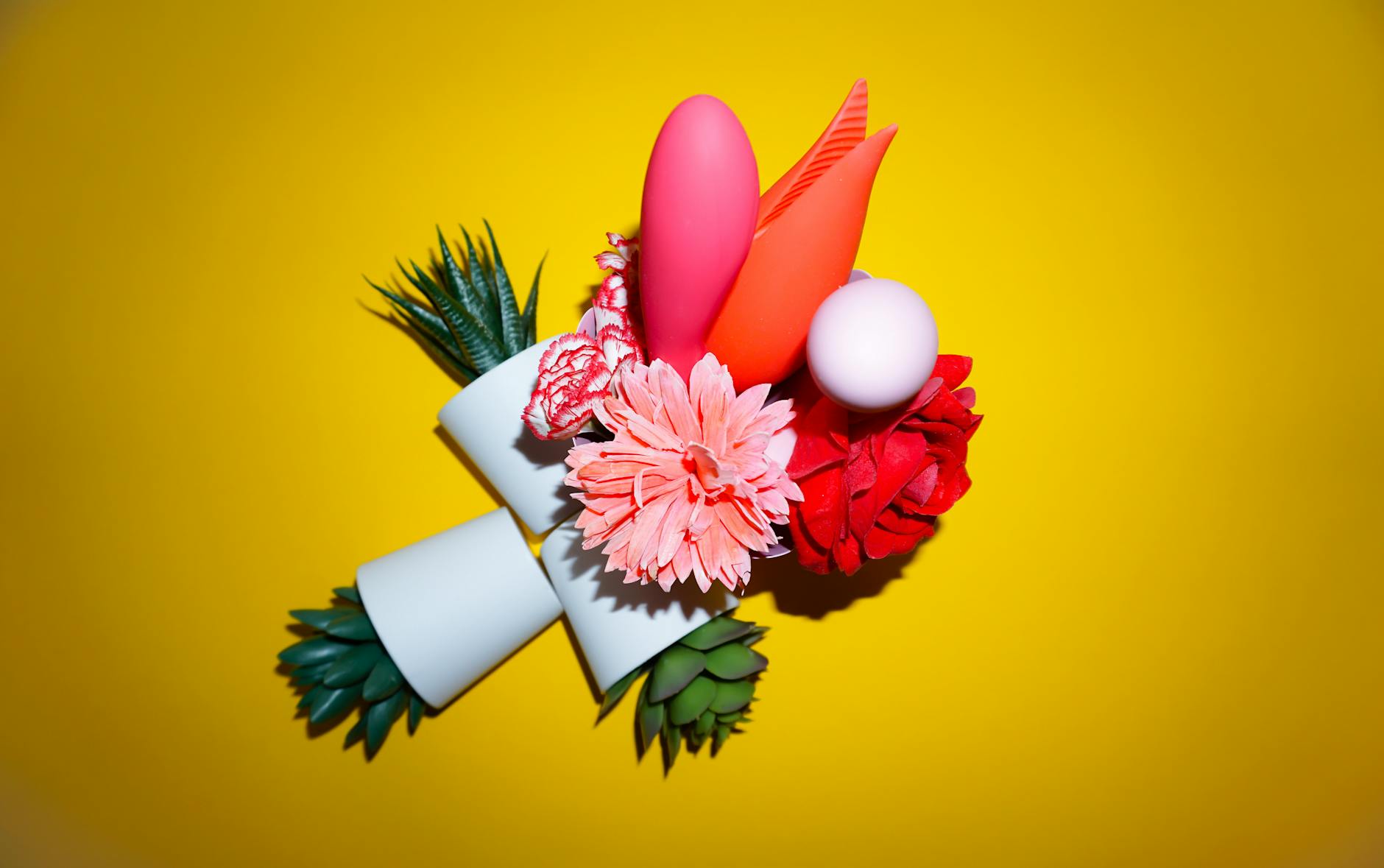
Let's talk about what actually shifts
When one partner enters menopause, the sensation from lemon vibrators changes. Not just for them, but for both of you in the room. If you've been using lemon sexual toys together for years, and suddenly the feedback feels muted or different, you're not imagining it. You're noticing something real, and most couples don't have language for it.
The physical part is straightforward. After menopause, tissue thins, lubrication naturally decreases, and the clitoral structure changes slightly. That affects how a lemon clitoral vibrator's suction and stimulation register. But here's where couples often get stuck: one partner assumes the other has lost interest, or they stop exploring together altogether.
How tissue changes affect lemon suction vibrators specifically
Lemon vibrators work through a combination of gentle suction and pulsation. They don't rely on the intense friction that traditional vibrators need. This is actually useful in a post-menopausal context, but the sensation profile changes.
Thinner vaginal and clitoral tissue means sensation travels differently through the nerve endings. What felt like a gentle hum before now might feel sharper, or conversely, more muted. The suction that used to feel like an easy wave now requires a different pressure point to feel good. Some partners notice their person becomes less responsive at settings that worked for a decade, and they interpret that as waning desire. It's not. It's tissue architecture.
The good news: lemon adult toys are particularly well-suited to this transition. Because they use suction rather than direct friction, you can dial in the intensity more finely. Vibration patterns stay constant, but the sensation landing changes based on positioning and tissue tone. That's actually an invitation to explore together, not a sign things are broken.
Why couples stop communicating about this
Here's the real problem I see in my practice. After twenty or thirty years together, couples have developed an intuitive rhythm. You know what works. You've stopped asking. Then menopause arrives, and suddenly that intuition fails. Instead of naming the change directly, both partners start rewriting the narrative.
The partner with the menopausal body often blames themselves. "My body doesn't respond like it used to." The other partner, confused, either stops initiating or escalates intensity, hoping to recreate the old sensation. Both interpretations are partially true and completely unhelpful.
What's actually happening is that you're learning each other again. That's not loss. That's opportunity, if you approach it as collaboration rather than failure.
The pelvic floor connection (and why it matters during partnered play)
Estrogen supports pelvic floor muscle tone. Less estrogen means less automatic support, and many post-menopausal people find their pelvic floor either grips too tightly or stays too loose. When you're using a lemon vibrator together, this changes the feedback your partner receives.
If their pelvic floor is gripping more firmly, a suction vibrator might feel more intense than intended. If it's loose, they might struggle to feel the sensation at all. This is fixable. Pelvic floor awareness exercises, practiced together, can actually deepen intimacy. You're not just solving a practical problem. You're learning your partner's body in a completely new way.
Asking your partner, "How does this feel? Should I move the angle slightly?" isn't foreplay small talk. It's the deepest kind of attention. Many couples skip this step because they think they already know the answer. After menopause, that assumption breaks down. Use it.
Lubrication shifts and what to do about them
Natural lubrication decreases after menopause, and for some people, the timing of when lubrication appears changes too. Arousal takes longer to build. An external water-based lubricant stops being optional and becomes essential.
Here's where it gets couple-y: some partners feel rejected when lubricant is introduced. They unconsciously interpret it as "you're not turned on enough." That's a story your brain is telling you, not a fact. The lemon clitoral vibrator requires a consistent glide surface to work optimally. Period. It has nothing to do with desire and everything to do with physics.
Talk about lube in advance. Choose one together. Make it part of your ritual, not an awkward interruption. Some couples find that taking time to apply lubricant together actually slows them down in a good way. It forces presence.
Repositioning and rediscovering sensation together
After menopause, the clitoral structure sits slightly differently in the body. The angle that created maximum pleasure before might need adjustment. This is true whether you're using a lemon suction vibrator alone or with a partner.
With a partner present, this becomes playful rather than frustrating. Instead of "it's not working," you're literally exploring the map of pleasure together. Try different angles. Notice what changes. Some couples find that positions they abandoned years ago suddenly work again because the tissue landscape has shifted.
You might discover that indirect stimulation, slightly offset from center, becomes more pleasurable. Or that building sensation over fifteen minutes instead of five makes the whole experience richer. These aren't compromises. These are discoveries.
Hormonal context and what it means for intimacy
Menopause brings hormonal shifts that affect more than tissue. Estrogen and testosterone both drop, which can genuinely affect desire and physical energy. This is separate from the tissue changes we've been discussing.
Some post-menopausal people find their desire patterns shift completely. Others notice that their interest in partnered activity changes even when solo sensation remains sharp. This is worth discussing with your partner without shame. "I still love you and want to be close, and I'm noticing my baseline desire has shifted" is a completely different conversation than "I'm not attracted to you anymore."
Using lemon vibrators together can actually help here. The lowered expectation (no performance pressure, just exploration) sometimes softens the resistance that accompanies desire shifts. You're not trying to recreate the past. You're discovering what turns you both on right now.
The emotional piece nobody talks about
Menopause is a transition. It carries grief, relief, power, loss, and freedom all at once. Your partner is experiencing some of that too, even if they're not the one going through the physiological change. Watching someone you love navigate their body differently can stir up complicated feelings.
I've worked with couples where the non-menopausal partner felt displaced. "I don't know how to touch you anymore." I've worked with others where the menopausal partner felt unsexy. "I don't want to bother them with my broken body." Neither of those narratives is true, but both are common.
Using lemon sexual toys together, when approached with tenderness and openness, can actually repair this. It's permission to be beginners again. To ask. To pay attention. To prioritize curiosity over performance.
Making the practical shift
Here's what I recommend for couples navigating this:
Start with a conversation, not with the toy. "My body is changing. I want us to stay connected. Can we experiment together?" That's it. No apologies for menopause. No pity. Just an invitation.
When you use lemon clitoral vibrators again, start at lower intensity. Watch for response. Ask out loud: "Does that feel good? Should I adjust?" Many people haven't heard their partner ask this question in years. The asking itself is intimate.
Take longer. Seriously. If your old rhythm was ten minutes, budget twenty. Arousal takes longer to build. That's not a loss. It's an invitation to slow down and actually notice each other.
Consider exploring different positions or angles. What worked before might not work now, and that's okay. Some couples find that side-by-side exploration, where you can see each other's face, becomes their favorite approach post-menopause.
Keep water-based lubricant in your bedroom and use it without commentary. It's as routine as foreplay now. That's fine.
FAQ: What Couples Actually Ask
Why does a lemon vibrator feel less intense for my partner after menopause?
Thinner vaginal tissue and changes in clitoral structure alter how sensation registers. A lemon clitoral vibrator's suction still works, but it may need different positioning or pressure to create the same sensation. This isn't a malfunction. It's an anatomical shift that's completely normal and absolutely workable.
Should we stop using lemon vibrators together if menopause makes them feel different?
Absolutely not. If anything, this is the moment to use them more intentionally. Lemon suction vibrators are especially helpful post-menopause because they don't require the friction intensity that can irritate thinner tissue. Adjust intensity, take time with lubrication, and explore together. Many couples find this season brings deeper intimacy than before.
Does using a lemon vibrator together during menopause mean my partner isn't attracted to me anymore?
No. Menopause changes physical sensation, not emotional or romantic attraction. If your partner is willing to explore and communicate with you about what works, that's actually a sign they care. Be cautious about writing stories about rejection based on sensation changes. Talk directly instead.
How much lubrication should we use with lemon sexual toys after menopause?
Use enough that the toy glides smoothly without friction. Water-based lube is best. It's not about quantity so much as consistency. You'll know you have enough when the sensation feels smooth rather than sticky or dry. This may be more than you used before, and that's fine.
Can we still use the same lemon vibrator settings we used before menopause?
Maybe, maybe not. Start at lower settings and build up. Notice what creates response and what feels good. Your partner might prefer a different pattern now. This is actually helpful information. It means you get to learn them again in a new way.
Is it normal for arousal to take longer after menopause, even with a lemon clitoral vibrator?
Completely normal. Arousal takes longer, builds differently, and may feel different throughout. This isn't dysfunction. It's a rhythm change. Many couples find that the slowness becomes a feature, not a bug. You're together longer. You pay attention longer. You notice each other more.
The real shift
Menopause changes sensation, but it doesn't change capacity for pleasure or the possibility of deep intimacy. Using lemon vibrators together during this transition is a choice to stay curious about each other instead of writing stories about decline.
Your partner's body isn't broken. It's different. And if you're both willing to explore that difference with attention and honesty, you might find that this season is richer than the one before. Consider reaching out to Hello Nancy's contact page if you want to discuss toy choice or have other questions about navigating this transition as a couple.