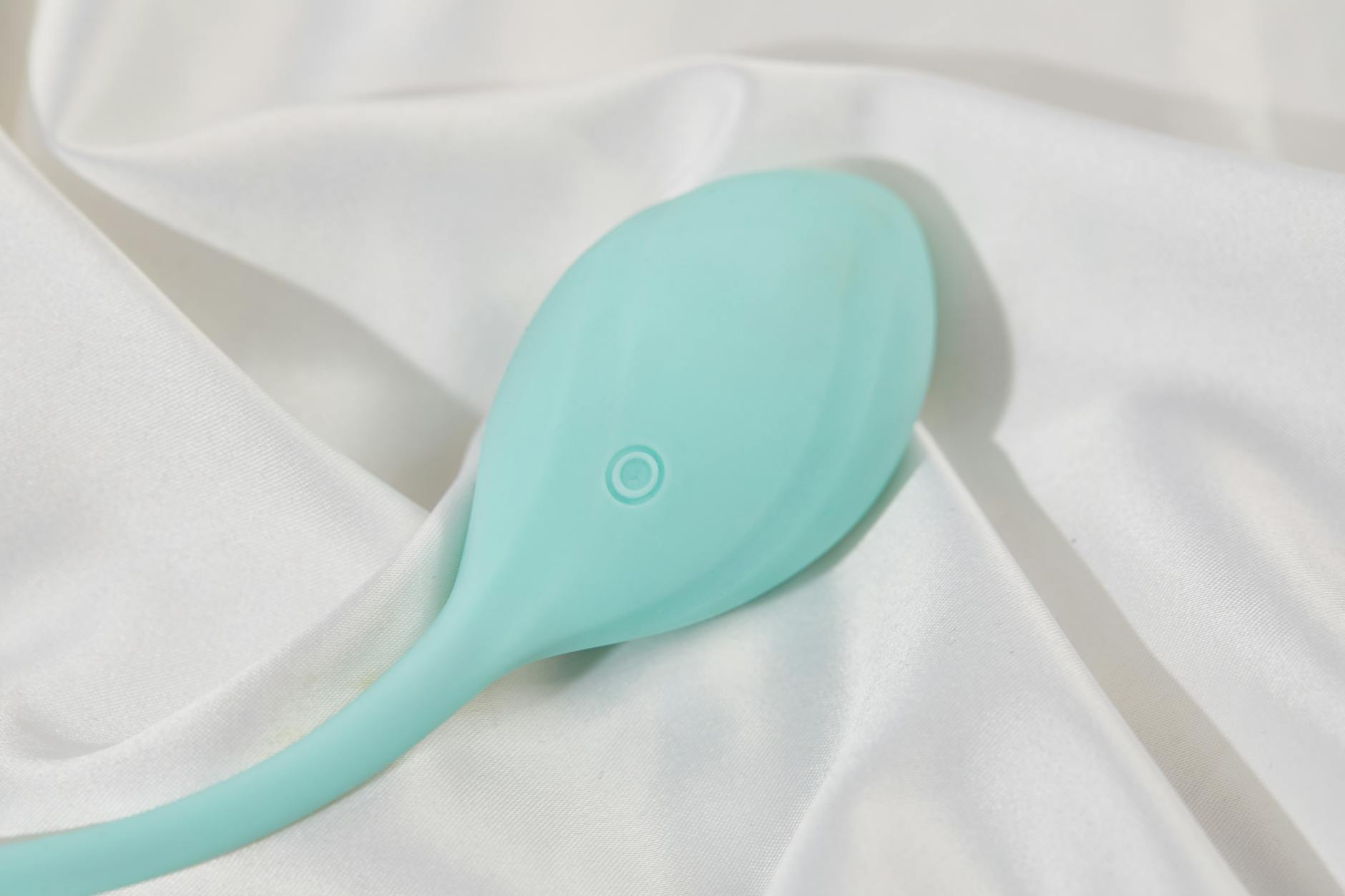
Let's talk about the pressure problem
You've probably heard that lemon vibrators are gentler than traditional vibration. What nobody explains is why you still feel numb, overstimulated, or frustrated after five minutes. The culprit is almost always pressure.
I'll say this plainly: the number one reason people think they're not enjoying a lemon clitoral vibrator is because they're pressing too hard. Not because the toy is wrong, not because their body is broken. Just pressure.
Why lemon suction vibrators need a different touch
Here's the physics. A lemon vibrator uses air-pulse technology (also called suction). Unlike traditional vibrators, which rely on mechanical movement, lemon toys create rhythmic pressure changes against the tissue. That means the toy itself doesn't need to grip anything.
When you press hard with a lemon vibrator, you're working against the mechanism. You're basically pinching off the seal that lets the suction work. Think of it like this: if you partially cover the opening of a vacuum cleaner hose with your hand, it still "works," but you've just made it less effective. Same thing here.
Traditional vibrators demand firmer contact because they need friction. A lemon clitoral vibrator works best with what I call "presence without pressure" — the toy is there, making contact, but you're letting it do the work.
The four-finger rule
Here's a simple starting point. Use your index and middle finger to guide the toy to where you want it. Then relax. Your hand should feel like it's barely holding the toy in place — not gripping, not pushing.
A useful test: could you let go right now without the toy falling? If the answer is no, you're holding too tight.
Try this. Press the lemon vibrator against your inner forearm at the same pressure you're currently using. Does it leave a red mark? You're pressing too hard. It should feel like the pressure of a feather landing. Not absent, but negligible.
Start on the lowest setting and keep the pressure light. Once you find that sweet spot, you can experiment with slightly higher patterns, but the pressure stays minimal. Many people discover they never need to move beyond pattern 3 or 4 once they've dialed in the touch.
Why your fingers matter more than you think
Let's separate two different things: angle and pressure. Angle is about where the lemon vibrator is positioned relative to your body. Pressure is how hard you're pushing.
With angle, small shifts are everything. If you're angling the toy tip directly on your clitoral opening, you might find that too intense. Shifting 5 millimeters up or to the side can completely change the sensation. This is actually good news because it means you have a lot of agency. Pressure gets locked in at a tense forearm. Angle is something your fingers can easily adjust second to second.
I recommend spending your first few sessions just playing with angle while keeping pressure constant and low. Get curious about the map of sensation. Some people find that a lemon vibrator works better slightly off to one side rather than dead center. Others prefer it on the upper hood. This isn't about finding the "right" spot (there are many). It's about discovering what your nervous system loves.
The numbness problem
If you're feeling numb or tingly, that's almost always a pressure and duration issue combined. Your clitoris has finite nerve density. If you're holding steady pressure in one spot for ten minutes, those nerves habituate. They stop responding.
Here's what I suggest instead. Use the lemon vibrator for 3 to 5 minutes continuously, then take a 30-second break. During the break, lower the intensity or shift position. Then come back. This rhythm gives your nerve endings time to reset.
You can also rotate location. Spend two minutes on one spot, move to nearby tissue, come back. It sounds like a lot of movement, but it's actually how most people naturally use a lemon vibrator once they're comfortable. You're not locked in one position grinding away. You're gently exploring.
Pressure changes across your cycle
One thing I notice with my clients is that pressure tolerance shifts across the menstrual cycle (if you have one). In the follicular phase (first half), lighter pressure often feels perfect. As you move toward ovulation, you might tolerate and even prefer slightly more pressure — not hard, but a notch firmer.
Post-ovulation (luteal phase), many people revert to wanting almost imperceptible pressure again. Your nervous system is simply more sensitive. Listening to this rather than fighting it makes a huge difference.
If you're not menstruating anymore or if you don't track your cycle, pay attention to how your preferences shift week to week or month to month. That information is real. It's not you being inconsistent. It's your body telling you what it needs.
How suction vibrators outperform traditional devices with light touch
This is where the lemon vibrator's design really shines. Because suction doesn't require mechanical grinding, you can use it with genuinely feather-light pressure and still get intense sensation. You literally cannot do that with a traditional vibrator.
With a standard vibrator, if you barely touch it, you lose all the vibration benefit. The toy needs friction to transmit sensation. A lemon suction vibrator bypasses that entirely. The air pulse is working regardless of how hard you're pressing, which means your whole experience can be gentler, more sustainable, and often more satisfying.
This is also why people with sensitive vulvas or those recovering from tension tend to prefer lemon clitoral vibrators. You're not dealing with the micro-friction that can cause irritation. You're working with pure pressure waves.
Partner play and pressure communication
If you're using a lemon vibrator with a partner, pressure becomes something you're both navigating. I see couples run into trouble when one person is holding the toy and the other is silently suffering through too much pressure but not speaking up.
Here's what works: Before you begin, have a ten-second conversation. Say, "I'm going to start with super light pressure. If you want me to adjust, just tell me to go lighter or move it." Then actually start light. It's easier to increase pressure than to recover from having numbed someone out.
Many partners intuitively press harder thinking that's more stimulating. It's not. If anything, too much pressure kills the sensation. By starting light and giving your partner permission to direct you, you sidestep this entirely.
The welcome relief of actually enjoying the experience
Once you nail the pressure, most people report a shift. The lemon vibrator stops feeling like something that vaguely works and starts feeling genuinely good. You're not gritting your teeth. You're not chasing sensation that won't come. You're just... feeling it.
That difference is worth spending a few sessions on technique. Your body isn't broken. The toy isn't broken. You just needed the right touch.
Frequently asked questions
How light is too light with a lemon vibrator?
If the toy is barely making contact and you feel almost nothing, it's too light. You want the toy firmly nestled against your skin but without any pushing or gripping from your hand. Think "resting firmly" rather than "applying pressure." There should be clear contact, just no muscular effort from your fingers.
Will I lose sensation if I use light pressure?
No. Lemon clitoral vibrators work best with light pressure. The sensation you get with gentle pressure is actually superior to what you'd experience pressing hard. Hard pressure typically leads to nerve fatigue and numbness. Light pressure is sustainable and often more intense because your nerves aren't exhausted.
Can I use my lemon vibrator through underwear or clothes?
Yes. In fact, some people find this reduces sensation just enough that they can enjoy longer sessions without numbness. The fabric creates a buffer that's sometimes welcome. Try it both ways and see which feels better for your body.
What if I have a lot of vulvar pain or sensitivity?
Start with the lowest pattern setting and the absolute lightest pressure you can while still maintaining contact. Many people with vulvodynia or other pain conditions find that lemon suction vibrators are more tolerable than traditional toys precisely because the mechanism doesn't demand pressure. If you're in pain, a conversation with a pelvic floor physical therapist is worth it too. They can help you understand whether pain is from pressure, position, or something else entirely.
Should I use lubrication with light pressure?
You can, but it's not required. Lube can actually make light-pressure use easier because the toy glides smoothly without needing to grip. If you do use lube, water-based works best with silicone toys. Start without it first so you understand how the toy feels naturally, then experiment.
How do I know if I'm applying the right amount of pressure?
Your hand should feel relaxed. Your forearm shouldn't be tense. You should be able to maintain the position for five minutes without your hand cramping. If any of those things are untrue, ease up. The right pressure feels almost effortless.
The takeaway
Lemon vibrators are designed to work with your body, not against it. That means light, consistent pressure, patience with sensation-building, and a willingness to adjust both angle and duration based on what feels good. You're not looking for the hardest or fastest thing your body can tolerate. You're looking for what creates sustainable, building pleasure. Once you get the pressure right, the rest follows.